Der Blog
Suchen Sie einen Artikel
Battery
How to extend LiPo battery life: comprehensive guide and professional advice from HobbyKing
Battery
How to extend LiPo battery life: comprehensive guide and professional advice from HobbyKing
Why is LiPo battery life maintenance so important?
LiPo batteries are widely used in high-performance devices such as remote-controlled models, drones, and FPV racing due to their high energy density and excellent discharge performance. However, if not properly maintained, the cycle life of these batteries can be significantly reduced. For HobbyKing users, understanding LiPo battery life and maintenance methods can not only save costs but also improve the overall performance of their devices.
The typical lifespan of a LiPo battery is 300 to 500 full charge-discharge cycles, but in adverse conditions, this number can plummet to as low as 100 cycles. Therefore, understanding “how to condition a LiPo battery” is crucial, as it directly determines the longevity of the LiPo battery.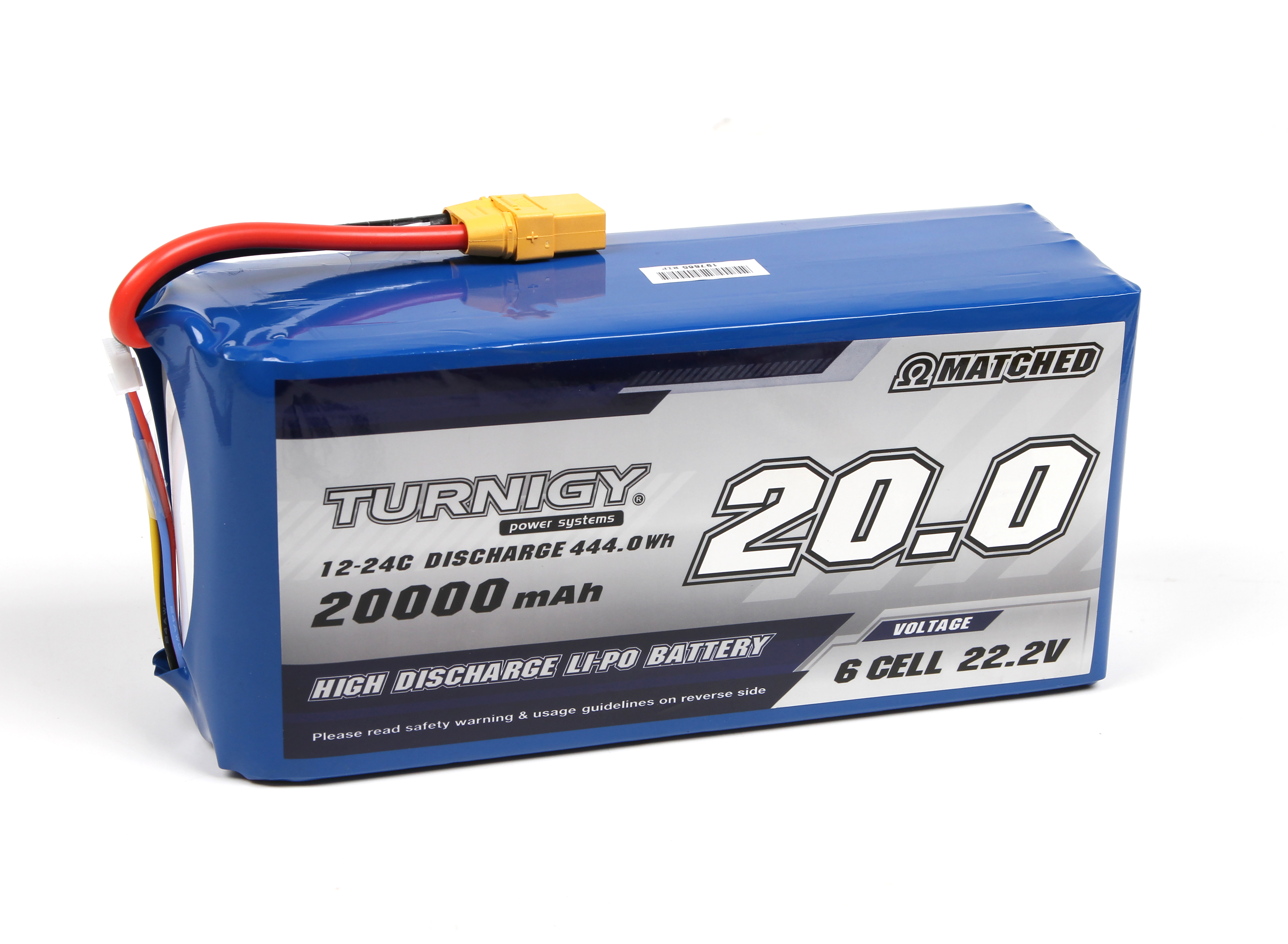
Scientific Analysis of LiPo Battery Cycle Life
1.1 What is Cycle Life?
Cycle life (LiPo battery cycle life) refers to the number of complete charge and discharge cycles a battery can undergo before its capacity drops to 80% of its initial value. HobbyKing laboratory data shows:
- Standard LiPo batteries: 200–300 cycles
- High-end series (e.g., Turnigy Graphene Panther): Over 500 cycles
1.2 The Four Key Factors Affecting Lifespan
- Discharge Depth (DOD):
- 100% discharge reduces lifespan by 50%
- HobbyKing recommendation: Keep single discharge below 80% of capacity
- Charge/Discharge Rate (C-rate):
- Charging at >1C accelerates electrode aging
- Use HobbyKing-specific balanced chargers to precisely control the rate
- Temperature Management:
- Temperatures above 60°C can cause electrolyte decomposition
- Our Hardcase series features built-in insulation layers, suitable for high-temperature environments
- Storage Voltage:
- Long-term storage at full charge results in a 3% capacity loss per month
- 3.8V/cell is the optimal storage voltage (HobbyKing smart chargers can automatically set this)
What Determines the Lifespan of LiPo Batteries
2.1 Voltage Control
LiPo batteries are highly sensitive to voltage. Overcharging or over-discharging can damage their internal structure. HobbyKing recommends that users always keep the voltage of each cell between 3.2V and 4.2V when using the battery, avoiding deep discharge and overcharging.
2.2 Discharge Rate
High discharge rates provide stronger power but also accelerate cell aging. Selecting the appropriate C-rate to match your needs is key to extending the cycle life of LiPo batteries. HobbyKing's Turnigy series LiPo batteries support multiple discharge rate options to meet the demands of various applications.
2.3 Temperature Management
LiPo batteries are prone to chemical instability in high or low temperatures. HobbyKing recommends avoiding charging or discharging LiPo batteries in environments below 10°C or above 45°C to prevent premature degradation of the battery's lifespan.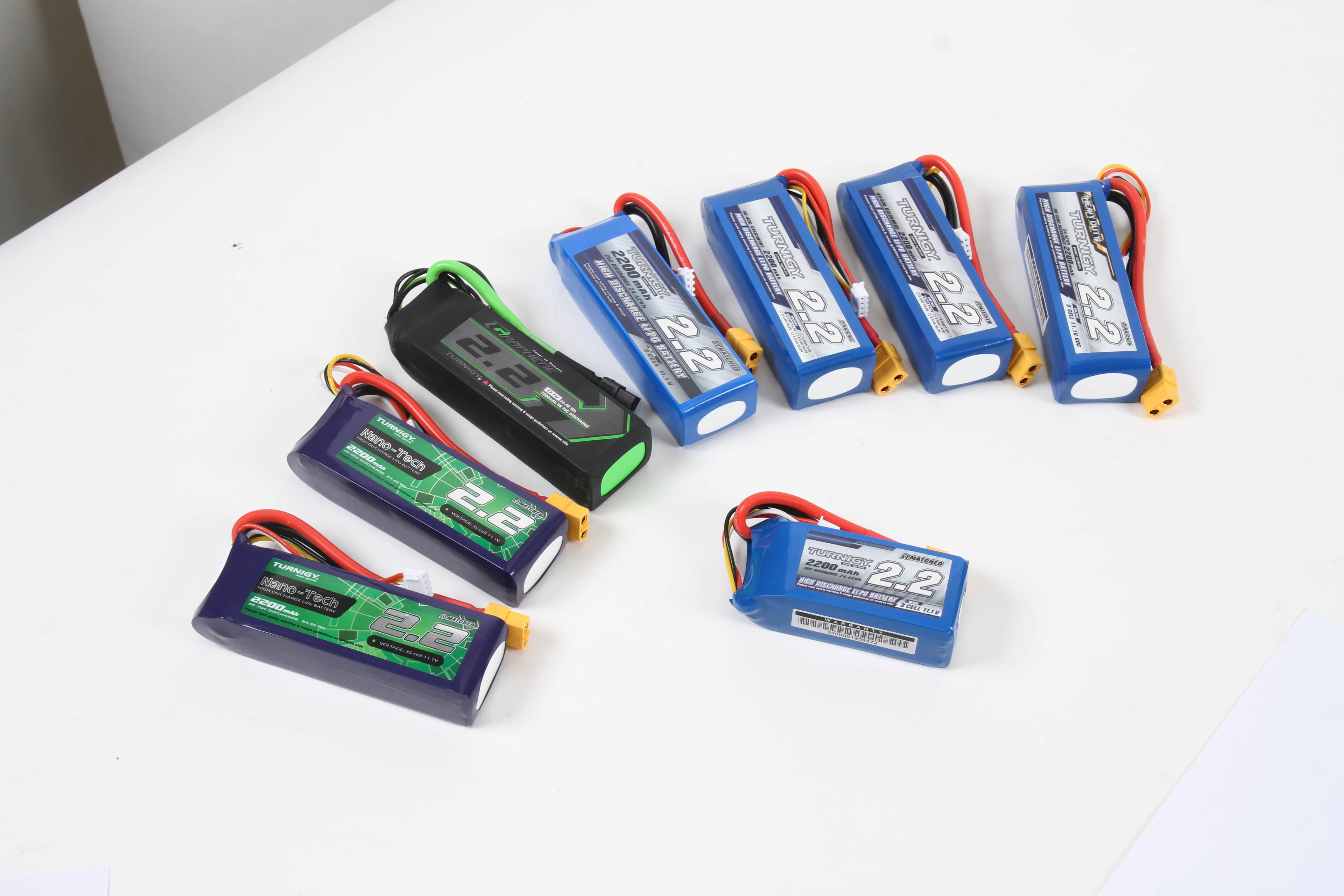
Professional Guide to Activating and Maintaining New Batteries
Conditioning a brand-new LiPo battery is crucial for extending its lifespan.
3.1 Use with light loads during the first few cycles
HobbyKing recommends operating the battery at loads below 50% during the first five cycles to gradually activate the internal electrolyte and achieve a stable state.
How to properly activate a new battery (How to condition a LiPo battery)
HobbyKing engineers recommend a five-step activation method:
- First Charge: Charge at 0.5C rate (e.g., 2.5A for a 5000mAh battery)
- First Discharge: Discharge at medium load (50% throttle) until 3.7V/cell
- Cycle Processing: Repeat the charge/discharge cycle three times (recommended using the Turnigy Nano-Tech series)
- Capacity Testing: Verify consistency using the HobbyKing CellMeter (voltage difference < 0.01V)
- Practical Application: Avoid peak currents during the first 10 uses
Professional Tip: HobbyKing's “Battery Doctor” service offers free internal resistance testing for new batteries
3.2 Avoid High Current During Initial Charge
New batteries should not be charged with high-rate chargers during the first charge. It is recommended to use a 1C rate for slow charging to ensure that the cells fully absorb the charge without causing side reactions.
HobbyKingRecommended Six Golden Rules for Daily Use
- Charging Guidelines:
- Always use balanced charging mode
- Use a HobbyKing charger rated at 200W or higher to ensure stability
- Discharge Protection:
- Install a HobbyKing low-voltage alarm (set to 3.3V/cell cutoff)
- Avoid continuous discharge currents exceeding 80% of the maximum discharge current (e.g., do not exceed 48C for a 60C battery)
- Storage Management:
- Discharge to storage voltage if unused for over 48 hours
- Recommended HobbyKing fireproof and explosion-proof battery storage box
3.3 Storage Voltage and Charging Frequency
After initial use, maintain the battery voltage at the storage voltage (3.85V per cell) to avoid prolonged periods in a fully charged or discharged state, as this significantly impacts the cycle life of LiPo batteries.
Maintenance Tips and Cycle Management for LiPo Batteries
4.1 Proper Charging
Use a dedicated charger with balancing functionality (such as the HobbyKing ToolkitRC M450) to effectively control the voltage consistency of each cell, thereby extending the lifespan of the LiPo battery.
HobbyKing Professional Maintenance Tool Recommendations
- Turnigy Accucell 6: 50W smart charger with storage mode
- LiPo Sack: Fire-resistant charging protection bag
4.2 Proper Discharging
Do not discharge the battery voltage below 3.2V per cell. It is recommended to use a voltage alarm when operating the device to promptly alert you and prevent deep discharge.
4.3 Storage Method
When not in use for an extended period, discharge the battery to 40%-60% capacity (approximately 3.8V per cell), and store it in a fire-resistant LiPo safety bag, away from direct sunlight and high humidity environments.
4.4 Regular Inspection
Conduct a capacity calibration discharge and recharge every 3 months to effectively assess battery aging and promptly replace damaged cells, ensuring safe use.
HobbyKingProfessional Maintenance Tools Recommended
1.Battery Monitor 2-6S: 8-channel voltage monitor
By using HobbyKing professional products scientifically and following this guide to maintain and cycle your LiPo batteries, your LiPo batteries can achieve:
- 2-3 times longer cycle life
- 15% longer flight time
- 90% lower safety risk
HobbyKing Hot Product Recommendations and Application Case Studies
As a global leader in the remote-controlled model battery market, HobbyKing is renowned not only for its comprehensive range of high-performance LiPo batteries but also for its exceptional user experience and battery durability. Focusing on the core topics of LiPo battery cycle life and LiPo battery lifespan, HobbyKing's products demonstrate cycle life performance that exceeds industry averages, making them the top choice for RC enthusiasts and professional users alike.
5.1 Popular Product Recommendations
1) Turnigy Heavy Duty 4000mAh 8S 60C LiPo Battery Pack (XT90/EC5)
This high-voltage 8S battery is specifically designed for high-performance RC devices, featuring a high discharge rate design that ensures stable output even under full load conditions. According to internal testing by HobbyKing, this battery achieves over 400 LiPo battery cycle life when properly conditioned and maintained, significantly exceeding the industry average.
2) Turnigy Rapid 6000mAh 6S 100C LiPo Battery Pack
Known as the “power monster,” this battery pack is ideal for high-current applications such as 1/5 scale racing trucks and FPV long-range aircraft. It features thickened electrolyte separators and optimized cell layout technology, effectively reducing thermal expansion and contraction-induced chemical stress, thereby significantly extending the lifespan of the LiPo battery.
3) Turnigy Nano-Tech Plus Series (e.g., 5000mAh 4S 70C)
Nano-Tech technology infuses LiPo cells with a finer particle structure, enabling higher ion conductivity and lower impedance during charging and discharging. Compared to traditional batteries, cycle life is improved by 15%-25%, making it an ideal choice for users seeking high stability.
5.2 Typical Application Scenario Analysis
Scenario 1: FPV Racing Enthusiasts
In FPV racing, which involves high-frequency bursts of speed, sharp turns, and sudden stops, batteries must not only have high discharge capacity but also excellent heat dissipation characteristics. A FPV pilot from Malaysia reported that after using HobbyKing's Graphene Panther 1200mAh 6S 75C battery, the battery maintained over 90% capacity after 20 consecutive flights, demonstrating exceptional LiPo battery cycle life performance.
Scenario 2: 1/8 Off-Road RC Enthusiasts
1/8-scale models demand exceptional battery impact resistance. A New Zealand customer used the Turnigy Heavy Duty 6200mAh 4S 60C battery for two years, with records showing that it achieved 380 charge cycles while maintaining a usage frequency of twice weekly, with capacity degradation of less than 20%, demonstrating its outstanding lithium-polymer battery lifespan.
Scenario 3: Drone Photography Applications
For photography drones, stable voltage output and long flight times are equally critical. A drone photography team using the Turnigy High Capacity 16000mAh 4S 12C battery reported that the battery maintained stable voltage after 20 minutes of flight and demonstrated superior cycle life even after continuous use for one year.
5.3 Brand Assurance and Technical Support
HobbyKing not only offers a wide range of battery products but also provides comprehensive technical support. On the official website, users can access detailed specifications, voltage curves, and discharge test data for each battery model, enabling them to manage the LiPo battery cycle life more effectively. When paired with the brand's intelligent chargers (such as ToolkitRC), users can achieve precise maintenance, further extending the lifespan of LiPo batteries.
Common Misconceptions and Safety Guidelines for LiPo Battery Use
Friends, even when using high-quality LiPo batteries like HobbyKing, improper handling can significantly reduce the battery's cycle life and overall lifespan. Many users often fall into common misconceptions during actual use, which not only damage battery performance but may also pose safety risks.
6.1 Misconception 1: Faster charging is better
Analysis:Many users prioritize efficiency and often use fast charging methods with 2C or higher rates, believing this saves time. However, fast charging causes the internal temperature of the battery cells to rise rapidly, leading to instability in the lithium-ion structure and gradual accumulation of chemical aging issues, ultimately reducing the LiPo battery cycle life.
HobbyKing recommendation:
Use a 1C rate for standard charging whenever possible. High-rate charging is only recommended for short-term emergency situations in special competition scenarios. Using HobbyKing's balanced charger can effectively maintain consistent voltage across each cell, reducing capacity loss caused by voltage discrepancies.
6.2 Misconception 2: Charging only when the battery is completely drained
Analysis:Some users mistakenly believe that deep discharge can “squeeze out every last bit of capacity,” but for LiPo batteries, a single cell voltage below 3.0V can easily cause permanent capacity damage. Repeated deep discharges not only reduce the lifespan of LiPo batteries but may also lead to serious consequences such as swelling or short circuits.
HobbyKing recommends:
Configure a low voltage alarm or use a remote control device with voltage monitoring functionality. When the voltage drops below 3.4V per cell, immediately cease use and recharge. Some Turnigy smart series batteries also feature built-in voltage protection chips to help users monitor battery health.
6.3 Misconception 3: Focusing solely on capacity and voltage while ignoring internal resistance
Analysis:Many beginners focus solely on mAh capacity and voltage (S number) when selecting batteries, neglecting internal resistance (IR), a critical indicator of battery health. Higher internal resistance leads to weaker discharge capacity, increased heat generation, faster battery degradation, and significantly reduced LiPo battery cycle life.
HobbyKing Recommendation:
Regularly check the battery's internal resistance using a charger with an internal resistance testing function (such as the ToolkitRC M6D) and record the trends. If the internal resistance of a cell is significantly higher than normal, stop using it immediately or replace it to avoid potential explosion risks.
6.4 Misconception 4: Storing batteries in a fully charged or low-charge state for extended periods
Analysis:Batteries left in a fully charged state (>4.2V per cell) or low-charge state (<3.6V per cell) for extended periods accelerate electrolyte decomposition and negative electrode deposition, thereby damaging cell activity and reducing the lifespan of LiPo batteries.
HobbyKing recommends:
When not in use for an extended period, charge the battery to the storage voltage (3.8V per cell) and store it in a dry, cool, fire-resistant LiPo battery safety bag. HobbyKing also offers a smart charger with a dedicated “storage charging mode” that automatically adjusts the battery to the ideal storage state.
6.5 Misconception 5: Swollen batteries can still be used
Analysis:Some users may overlook minor swelling on the battery surface and continue using it, or even attempt to “press it back.” This is a highly dangerous practice. Swelling indicates internal gas release within the battery cells, which is irreversible damage. Continuing use poses an explosion risk.
HobbyKing recommends:
If you notice any abnormal swelling, deformation, or leakage on the battery surface, stop using it immediately and dispose of it according to safety regulations. HobbyKing's official website provides battery recycling and disposal guidelines to help users properly dispose of used batteries and ensure personal and property safety.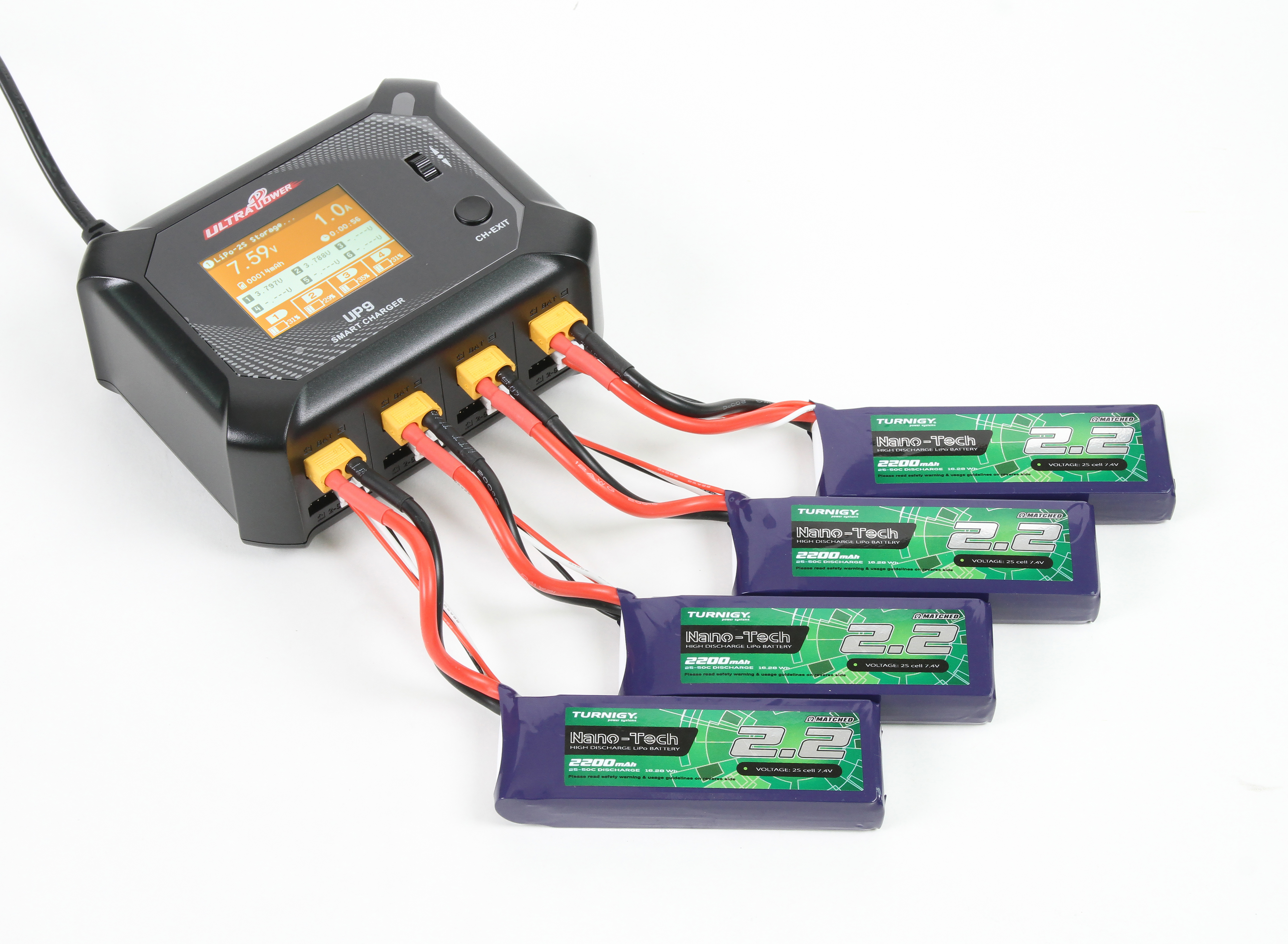
Conclusion and Purchase Recommendations
Extending the cycle life of LiPo batteries hinges on understanding their operational mechanisms and usage patterns. By scientifically “conditioning” new batteries (how to condition a LiPo battery) and implementing proper maintenance practices in daily use, you can effectively extend the lifespan of LiPo batteries, reduce replacement frequency, and lower costs.
HobbyKing, as a global leader in RC battery supply, is committed to providing high-quality, long-lasting LiPo battery products. When selecting a battery, consider your device's power requirements, usage frequency, and discharge rate to choose the most suitable battery type.
Whether you're a race car enthusiast, drone enthusiast, or FPV racing player, by mastering proper maintenance knowledge and using HobbyKing's premium battery products, you'll enjoy longer-lasting, more reliable power performance.
Category
Tags
Category
Tags
Unsere Bestseller entdecken
 11%
OFF

Avios (PNF) Grand Tundra 2 STOL Sports Plane EPO 1700mm (Green/Silver)
SKU 9499670637
$327.99$369.0018%
OFF
H-King Paramotor V2 mit LED-Lichtleiste 2400mm (PNF)
SKU 9310670504
$155.99$189.9913%
OFF
H-King (PNF) Flybeam 2 Night Flyer w/LED Light System 1092mm (EPO)
SKU 9310670554
$156.99$179.9915%
OFF
H-King (PNF) KitFox Sport Plane 1100mm/1250mm (EPO)
SKU 9898670063
$169.99$199.9915%
OFF
Durafly Curtiss P-40 Warhawk V2 "Aleutian Tiger" 1100mm (PNF)
SKU 9306670734
$203.99$239.9915%
OFF
Durafly Tundra V3 "Inspire" (PNF) Sportmodell mit Landeklappen Rot/Silber EPO 1300mm (51")
SKU 9499670588
$211.99$249.0033%
OFF
HobbyKing Sports Hawk "ARF-Plus" 105mm EDF Jet mit Fahrwerken, Servos und LED-Lichtern
SKU 9306670706
$804.99$1,199.0015%
OFF
HobbyKing® ™ Walrus Glider w / Flaps EPO 1400mm (PNF)
SKU 9306000019
$83.99$98.9920%
OFF
Durafly (PNF) Rare Bear Reno Racer 680mm EPO (Gold/White)
SKU 1021670038
$135.99$169.9920%
OFF
Durafly (PNF) Rare Bear Reno Racer 680mm EPO (Green/White)
SKU 1021670037
$135.99$169.9920%
OFF
Durafly Tundra TPX (PNF) EPP Profile 3D/Aerobatic Plane 1050mm
SKU 1021670039
$143.99$179.99
Turnigy APEX 2200mAh 3S 11.1V 180C LiPo Battery with XT60 for 7 inch FPV Drone and Planes
SKU 9067110092
$19.99$25.99
Turnigy 3300mAh 3S (11.1V) 30C Shorty LiPo Battery Pack w/XT60
SKU 9067110010
$18.99$22.99