Der Blog
Suchen Sie einen Artikel
Battery
LiPo Battery Guide for FPV Devices | HobbyKing 6S Long Flight Time Battery Analysis
Battery
LiPo Battery Guide for FPV Devices | HobbyKing 6S Long Flight Time Battery Analysis
The Core Power of FPV Flight — Full Compatibility of LiPo Batteries
In the FPV (First Person View) flight domain, the choice of battery system directly impacts flight performance and operational experience. LiPo (lithium polymer) batteries have long been an indispensable power source. Compared to traditional nickel-metal hydride or lead-acid batteries, LiPo batteries offer advantages such as high discharge rates, lightweight design, and compatibility with various specifications, making them ideal for the high-power requirements and lightweight structural design of FPV aircraft.
Especially on the HobbyKing platform, users can easily select LiPo batteries compatible with various FPV devices, covering voltage levels from 1S to 6S, and catering to a wide range of applications from micro-sized drones to long-range, long-endurance flight platforms. LiPo batteries are compatible with FPV devices are not just a compatible option but a critical technological safeguard ensuring flight safety and performance limits.
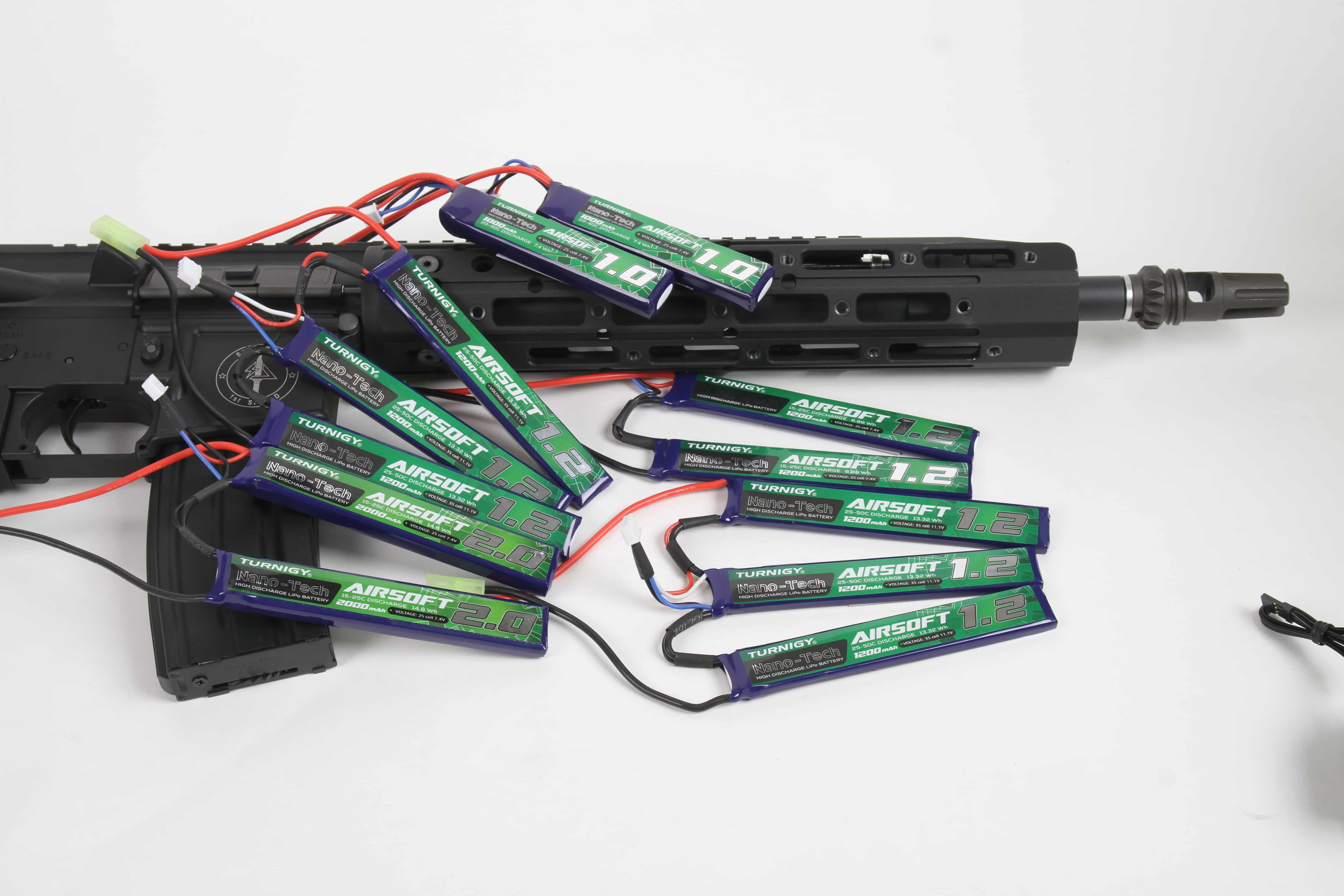
Exploring the Key Elements of “FPV Drone Battery Voltage”
In FPV flight systems, voltage (Voltage) is not just a number in battery parameters, but the key core that enables the coordinated operation of the flight control, video transmission, and power systems. The selection and configuration of FPV drone battery voltage directly affect the aircraft's response speed, maximum range, flight efficiency, and safety factor.In this chapter, we will systematically interpret the principles and practical applications of the FPV voltage system.
2.1 Basic Understanding of Voltage Levels
FPV drones typically use 3S, 4S, or 6S LiPo batteries, where “S” represents the number of battery cells connected in series:
- 3S = 11.1V (3 x 3.7V): Commonly used in entry-level racing drones, suitable for micro FPV and low-power applications.
- 4S = 14.8V: The mainstream configuration for 5-inch racing drones, offering higher thrust and faster response.
- 6S = 22.2V: Designed for advanced pilots and professional aerial photography tasks, suitable for long-range and extended flight durations.
Each increase in voltage significantly enhances the drone's performance but also imposes higher voltage endurance requirements on the ESC, motors, video transmission system, and flight controller.
2.2 Flight Differences Between Different Voltage Systems
FPV drone battery voltage primarily affects the flight experience in the following aspects:
- Power Performance: Compared to the 4S system, the 6S system has lower current and higher voltage, resulting in better efficiency and lower motor heat generation at the same output power;
- Flight Time: 6S batteries are typically paired with high-capacity cells (e.g., 5000mAh to 8000mAh), making them more suitable for long-range aerial photography and search missions;
- Weight Control: Higher voltage and larger capacity batteries are generally heavier, so precise adjustments to the frame and payload balance are necessary;
- Response Sensitivity: In high-speed flight and dive-through scenarios, higher voltage systems provide more direct throttle response and enhanced control precision.
Through HobbyKing's product lineup, users can flexibly configure batteries according to their specific flight requirements. For example, for 4-inch models prioritizing flexibility and maneuverability, the HobbyKing Nano-Tech 1300mAh 4S 75C is recommended; for mission-critical applications emphasizing flight time and high-definition aerial photography, the Turnigy Graphene 6000mAh 6S series is more suitable.
2.3 The Balance Between Voltage and Current
In FPV battery systems, voltage and current are inversely proportional: as voltage increases, the current required to deliver the same power decreases. This not only reduces wire heating and energy loss but also improves the overall electrical efficiency of the system.
Example:
- A 4S system provides 888W of power at 60A (14.8V × 60A);
- A 6S system requires only 40A current to deliver 888W (22.2V × 40A).
Therefore, the 6S system is more suitable for high-performance FPV architectures, especially long-endurance platforms equipped with power-hungry peripherals such as high-resolution video transmission and GPS navigation.
2.4 Troubleshooting Voltage Compatibility Issues
In actual deployment, if the FPV drone battery voltage is not properly matched, the following issues may occur:
- ESC burnout: Using an ESC not rated for high voltage with a 6S battery can easily cause burnout;
- Motor incompatibility: Motors with excessively high KV values may spin out of control at high voltages, potentially causing rotor failure;
- Video transmission power failure: Some video transmission modules only support 5V or 12V, requiring additional voltage regulator modules;
- Flight control abnormalities: If a BEC (Battery Eliminator Circuit) voltage converter is not configured, it may cause the flight control system to reboot or lose control.
At HobbyKing, every LiPo battery and peripheral component supporting FPV applications has clear voltage ratings and compatibility specifications. Users can quickly confirm compatible combinations through filtering functions, technical specification pages, and other methods.
2.5 Practical Recommendations: How to Select the Right Voltage Rating?
- Beginner Recommendations: Start with 3S/4S to learn basic flight control logic and battery management;
- Racing scenarios: Opt for high-rate (C-rated) 4S or lightweight 6S batteries to enhance responsiveness and acceleration;
- Remote aerial photography: Select high-capacity, high-voltage (6S 5000mAh+) LiPo batteries to ensure flight range and stable video transmission;
- Video transmission solutions: Ensure the video transmission module supports the required operating voltage; install a 5V/12V voltage regulator module if necessary.
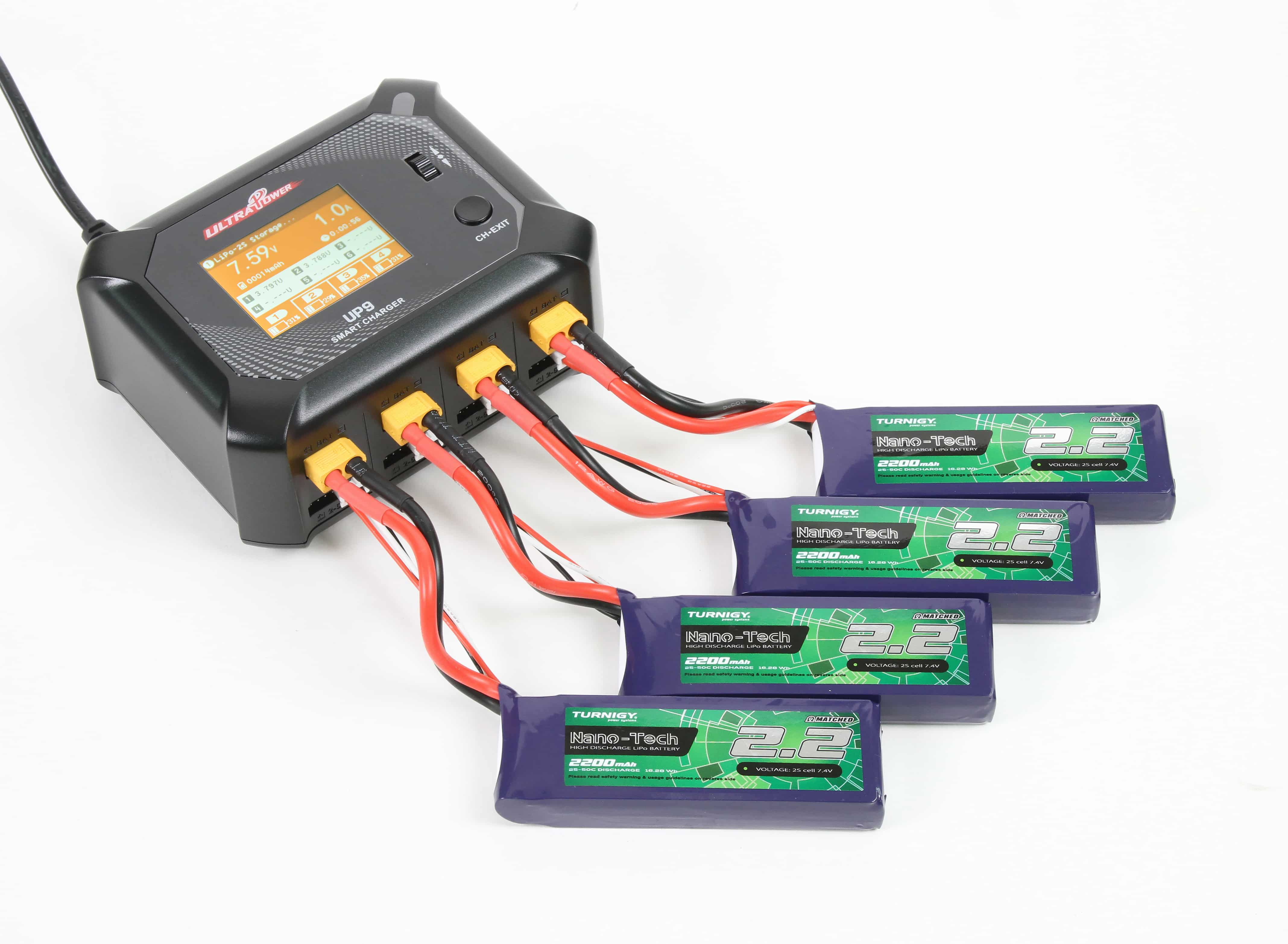
The Ultimate Tool for Long-Range Flight — A Detailed Look at 6S LiPo Batteries
In the FPV field, long-endurance flight is no longer the exclusive domain of hardcore enthusiasts. With the widespread adoption of the 6S LiPo for long-range FPV system, an increasing number of aerial photography enthusiasts, mapping pilots, and wilderness explorers are adopting it as their preferred high-performance power solution.The 6S LiPo battery is the backbone of long-range FPV flight, offering unmatched advantages in energy density and output stability, while also ensuring flight safety and efficiency.
3.1 What is a 6S LiPo battery?
The term “6S” refers to a battery composed of six individual lithium polymer cells connected in series, with a total voltage of 22.2V (each cell has a nominal voltage of 3.7V).In actual use, the full charge voltage can reach 25.2V, with a discharge cutoff voltage of approximately 19.2V. This high-voltage architecture enables high-power support without compromising the portability of the aircraft, making it the core component for building long-range FPV systems.
On the HobbyKing platform, the 6S LiPo battery product line is quite extensive, ranging from lightweight solutions with 1000mAh capacity to high-capacity versions with up to 16000mAh, fully meeting the diverse requirements of different flight missions in terms of flight time and payload capacity.
3.2 Why choose the 6S system for long-range flight?
The long-range FPV architecture using 6S batteries offers the following key advantages:
1. High-efficiency drive
At the same power requirement, higher voltage reduces the current needed. This characteristic effectively minimizes heat generation, current loss, and energy waste, enabling the entire power system to operate more efficiently and stably. For example, in a system requiring 1000W output, a 4S battery requires approximately 67A of current, while a 6S battery only requires 45A.
2. Lower heat generation and longer lifespan
Reduced current also means that the temperature rise of the ESC, motor, and wiring under high loads is significantly reduced, helping to extend equipment lifespan and reduce the risk of thermal runaway. Especially during high-frequency operations such as multiple takeoffs and landings or flying through strong winds, the 6S system maintains system coolness and stability.
3. Enhanced battery energy density
Although 6S batteries are slightly thicker due to the higher number of cells in series, they store more energy per unit volume.Compared to 4S batteries, 6S batteries not only offer longer flight times but are also more suitable for composite FPV platforms that require simultaneous mounting of video transmission modules, GPS, and LED light arrays.
4. Handling Various Environmental Challenges
In complex flight environments such as high altitudes, low temperatures, long distances, and high humidity, the 6S system performs exceptionally well due to its ample power reserve and stable output, ensuring uninterrupted video transmission signals and continuous power response.
3.3 HobbyKing's Top-Selling 6S FPV Battery Recommendations
As a globally renowned brand in RC power solutions, HobbyKing offers a range of battery products specifically designed for 6S LiPo batteries for long-range FPV, covering high-rate, lightweight, stable video transmission, and long-range output:
- Turnigy Nano-Tech Plus 1000mAh 6S 70C: Ideal for small-sized long-range reconnaissance drones, offering lightweight and high burst performance;
- Turnigy Graphene Panther 5000mAh 6S 75C: Balances high output and stable discharge, suitable for high-speed maneuvers;
- Turnigy High Capacity 8000mAh 6S 12C: Designed for long-endurance flights, suitable for surveying, photography, and cruising;
- Turnigy Rapid 6000mAh 6S 100C: Extreme burst power, specifically designed for high-load, high-speed FPV drones;
- Turnigy Graphene Professional 12000mAh 6S 15C: A powerful tool for aerial photography, providing dual stability for image transmission and flight control.
All of the above batteries support common interfaces such as XT60/XT90/EC5, and can be used with HobbyKing's own image transmission, ESC, power distribution board, and voltage reduction module to achieve system-level optimization.
3.4 Matching and wiring recommendations for 6S systems
When building a 6s lipo for long-range fpv system, in addition to choosing the right battery, you should also pay attention to the following aspects:
- ESC selection: Ensure that the ESC supports 6S input. We recommend using a high-efficiency ESC with 35A~60A.
- Motor KV value adjustment: We recommend using low KV (such as 850KV~1200KV) brushless motors to adapt to high-voltage systems.
- Optimize wiring routing: Keep high-voltage lines away from video transmission and GPS modules to avoid interference;
- Install voltage/current sensors: Enable real-time OSD monitoring to facilitate timely return to base and prevent over-discharge.
HobbyKing offers a complete accessory ecosystem, including ESCs, cables, BEC modules, voltage alarms, and more, to help pilots build a more professional and safe 6S FPV flight platform.
3.5 Precautions and Safety Recommendations for Using 6S Batteries
Although 6S batteries offer significant advantages, their high voltage and energy density make safe use even more critical. HobbyKing recommends that users:
- Use a smart charger with balancing functionality for charging;
- Avoid overcharging beyond 4.2V per cell to prevent internal heating;
- Inspect the battery's appearance and voltage of each cell before flight to ensure no swelling or voltage discrepancies;
- Use a LiPo Safe Bag for transportation and storage;
- Install overvoltage protection and low-voltage warning devices for the power supply.
HobbyKing's Top Recommended FPV Battery Models
As a globally renowned RC battery supplier, HobbyKing has carefully selected several LiPo battery models highly compatible with FPV equipment for users to consider:
- Turnigy Graphene Panther 1000mAh 6S 75C: Ideal for medium-sized FPV drones, lightweight and efficient;
- Turnigy High Capacity 8000mAh 6S 12C: Specifically designed for long-endurance missions with extended flight ranges;
Nano-Tech Plus 4000mAh 6S 70C: Balances discharge performance and stability, suitable for camera-mounted frames;
Turnigy Rapid 5000mAh 6S 100C: High-rate burst power, ideal for extreme racing FPV applications.
All models are available on the HobbyKing official website, with global shipping and after-sales support to help you quickly upgrade your power system.
Flight Safety and Battery Management Recommendations
FPV flight requires proper battery usage guidelines. Even though LiPo batteries are compatible with FPV devices, improper use can still lead to risks such as swelling and fire. HobbyKing recommends that users follow the operating guidelines below:
- Avoid overcharging and over-discharging: Strictly control the voltage of each cell within the range of 3.2V to 4.2V.
- Use a balanced charger: Maintain consistent voltage across all cells.
- Allow batteries to cool naturally after flight before recharging: prevent thermal expansion damage;
- Regularly inspect cells for swelling: replace immediately if abnormalities are detected.
Additionally, always use genuine brand-name batteries and safety charging bags to ensure personal and property safety.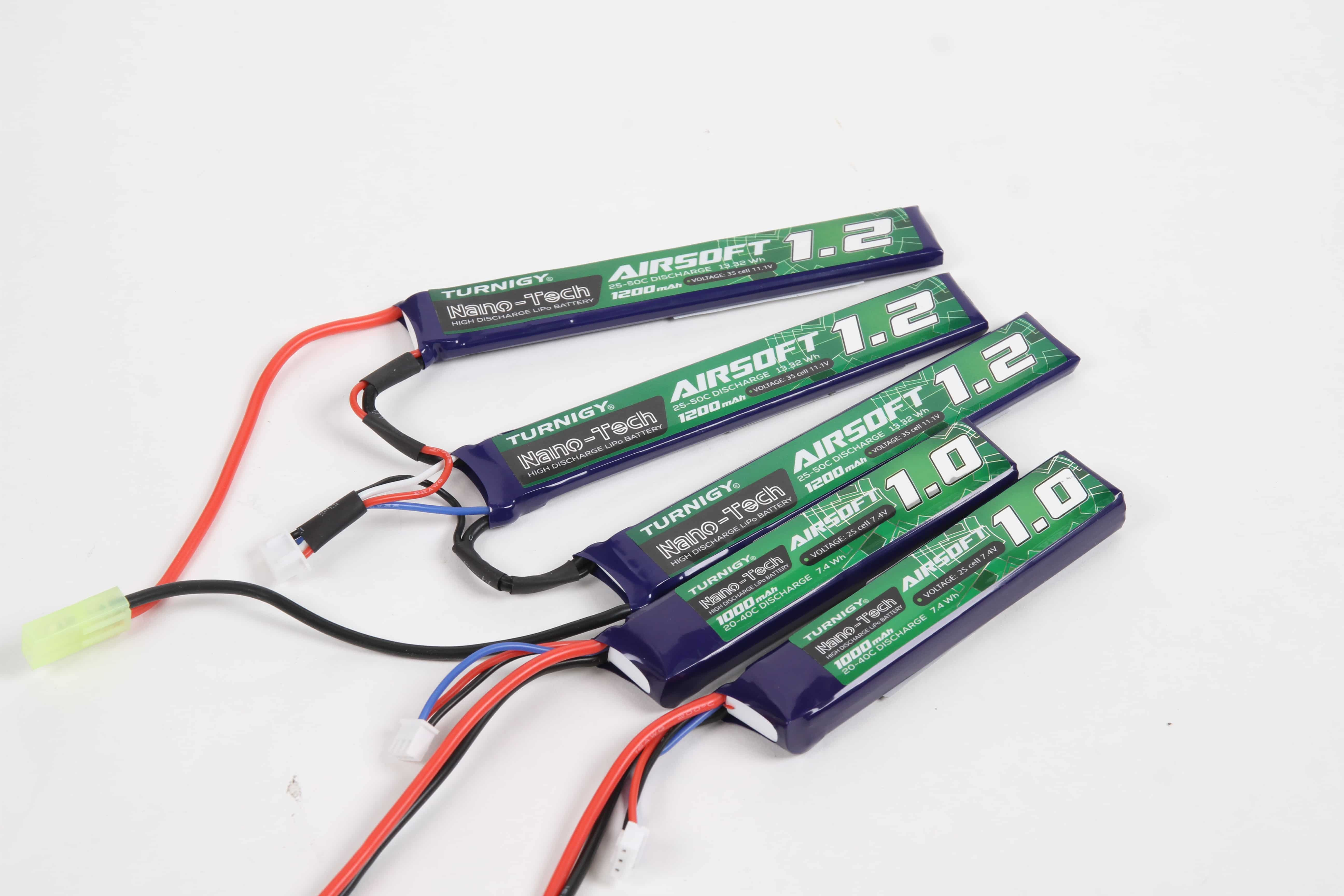
Purchase Recommendations
Whether you are a beginner or an experienced long-range pilot, choosing the right LiPo battery is the key to a great FPV flying experience. From this article, we can conclude that:
- LiPo batteries are compatible with FPV devices: selection should be based on voltage, current, interface, and size;
- FPV drone battery voltage is a key parameter that determines flight performance;
- 6s LiPo for long-range FPV is the best solution for long-range exploration and high-altitude flight missions;
- At HobbyKing, you can get high-quality, cost-effective LiPo batteries specifically designed for FPV in one place.
Choosing HobbyKing means choosing flight safety, performance assurance, and professional support. Head to the official website now to purchase your next high-performance LiPo battery and fly farther, smoother, and more exciting!
Category
Tags
Category
Tags
Unsere Bestseller entdecken
 11%
OFF

Avios (PNF) Grand Tundra 2 STOL Sports Plane EPO 1700mm (Green/Silver)
SKU 9499670637
$327.99$369.0018%
OFF
H-King Paramotor V2 mit LED-Lichtleiste 2400mm (PNF)
SKU 9310670504
$155.99$189.9913%
OFF
H-King (PNF) Flybeam 2 Night Flyer w/LED Light System 1092mm (EPO)
SKU 9310670554
$156.99$179.9915%
OFF
H-King (PNF) KitFox Sport Plane 1100mm/1250mm (EPO)
SKU 9898670063
$169.99$199.9915%
OFF
Durafly Curtiss P-40 Warhawk V2 "Aleutian Tiger" 1100mm (PNF)
SKU 9306670734
$203.99$239.9915%
OFF
Durafly Tundra V3 "Inspire" (PNF) Sportmodell mit Landeklappen Rot/Silber EPO 1300mm (51")
SKU 9499670588
$211.99$249.0033%
OFF
HobbyKing Sports Hawk "ARF-Plus" 105mm EDF Jet mit Fahrwerken, Servos und LED-Lichtern
SKU 9306670706
$804.99$1,199.0015%
OFF
HobbyKing® ™ Walrus Glider w / Flaps EPO 1400mm (PNF)
SKU 9306000019
$83.99$98.9920%
OFF
Durafly (PNF) Rare Bear Reno Racer 680mm EPO (Gold/White)
SKU 1021670038
$135.99$169.9920%
OFF
Durafly (PNF) Rare Bear Reno Racer 680mm EPO (Green/White)
SKU 1021670037
$135.99$169.9920%
OFF
Durafly Tundra TPX (PNF) EPP Profile 3D/Aerobatic Plane 1050mm
SKU 1021670039
$143.99$179.99
Turnigy APEX 2200mAh 3S 11.1V 180C LiPo Battery with XT60 for 7 inch FPV Drone and Planes
SKU 9067110092
$19.99$25.99
Turnigy 3300mAh 3S (11.1V) 30C Shorty LiPo Battery Pack w/XT60
SKU 9067110010
$18.99$22.99