Blog
Buscar un artículo
Battery
General News
LiPo Battery Recycling and Environmental Protection: HobbyKing's Sustainability Initiative
Battery
General News
LiPo Battery Recycling and Environmental Protection: HobbyKing's Sustainability Initiative
Why is LiPo battery recycling so important?
LiPo (lithium polymer) batteries are popular for their high power output and light weight in high performance applications such as RC models, drones, and electric vehicles. However, many users overlook the environmental impact of “retiring” LiPo batteries. Waste LiPo batteries contain lithium salts, organic electrolytes, and other toxic metals, which can easily contaminate soil and water sources, and even pose a risk of fire or explosion if not properly disposed of.
Therefore, “LiPo battery recycling and environmental protection” is not only a topic of environmental protection, but also the responsibility of all LiPo battery users. Properly learning the process of “how to dispose of lipo batteries” will help to extend the life cycle of the batteries, avoid waste of resources and minimize the damage to the ecological environment.
HobbyKing, as a global leading supplier of RC batteries, is committed to promoting the LiPo battery recycling program to help users safely dispose of used batteries and reduce environmental pollution. This article will detail how to properly dispose of LiPo batteries and discuss HobbyKing's efforts in environmental protection.
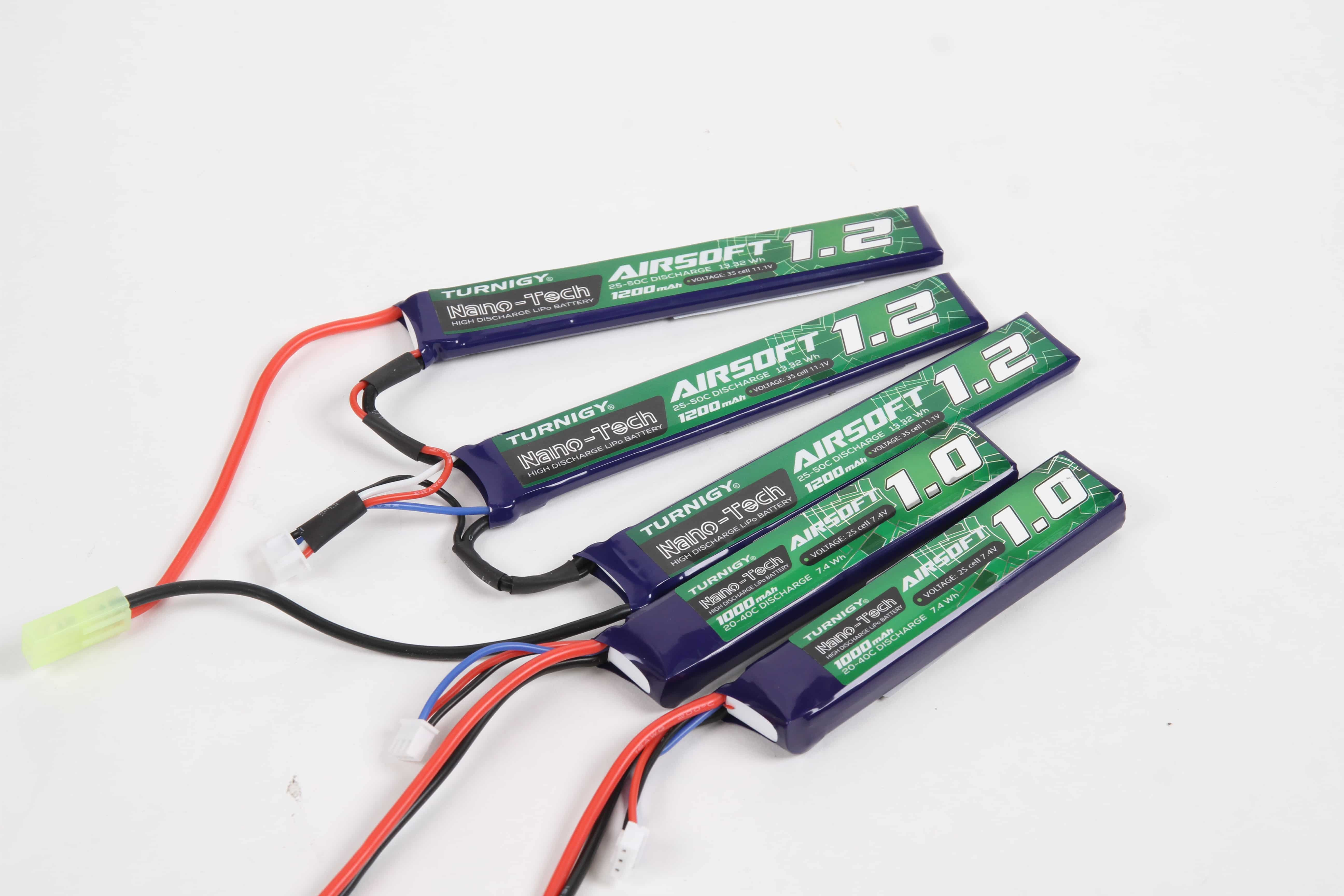
Environmental Pitfalls and Practical Challenges of LiPo Batteries
1. Dangerous chemical composition
LiPo batteries contain heavy metals such as lithium, cobalt and nickel, as well as a flammable electrolyte.The electrolyte inside LiPo batteries (mostly lithium salt compounds dissolved in organic solvents) is flammable and corrosive once it is broken, and may release toxic gases or cause a fire.
2. Landfill Hazards
Disposing of discarded LiPo batteries into landfills is not only impossible to decompose, but may also leak toxic substances and heavy metals into the soil and water sources, damaging the groundwater system and further destroying the ecosystem.
3. Incineration risk
Incineration of batteries at high temperatures releases heavy metals and fluorinated gases, which can cause serious air pollution.
Therefore, the recycling of Lipo batteries is not only a legal requirement, but also a social responsibility of every RC enthusiast.
HobbyKing has always been advocating the concept of “lipo battery recycling and environmental protection”, and supports all kinds of environmental protection practices and user education, calling on RC users around the world to correctly dispose of used batteries.
How to safely dispose of used LiPo batteries?
Many users are concerned about the specific steps of “how to dispose of lipo batteries”. We recommend the following procedure:
1. Pre-treatment before discharging the battery to 0V
- Before recycling, it is recommended to gradually discharge the LiPo battery voltage to a safe voltage (less than 3.0V per cell, but not short-circuited).
- Manual discharge tools such as light bulbs, resistors, and dischargers can be used, or you can rely on battery discharge equipment from HobbyKing.
2. Salt water immersion treatment (only applicable to the battery that is completely scrapped)
- Place the battery in water containing salt (30g of salt dissolved in 1L of water) and leave it sealed for 72 hours to ensure that the internal voltage is fully released.
- Note: Keep the battery away from flammable materials and wear protective equipment during the process.
3. Marking and sealing
- And wrap the battery in a thick plastic bag for sealing treatment. After discharging, wrap the electrodes with insulating tape to prevent short circuit. Use a marking pen to indicate “discharged”, “no longer usable”, etc., and then put the battery into a puncture-proof container (such as a plastic box or a special battery recycling bag).
4. Dispose of it in a professional recycling center
Do not mix LiPo batteries with ordinary garbage! Look for the following recycling channels:
- HobbyKing LiPo Recycling Program: some HobbyKing depots offer battery recycling services.
- Local e-waste recycling centers: Many cities have battery recycling stations.
- RC Community Recycling Events: Some RC clubs or race organizations hold regular battery recycling events.
HobbyKing does not recommend that families dismantle their own batteries. You should bring the disposed batteries to a qualified hazardous waste recycling site or contact the brand manufacturer to participate in the official “lipo recycling programs”.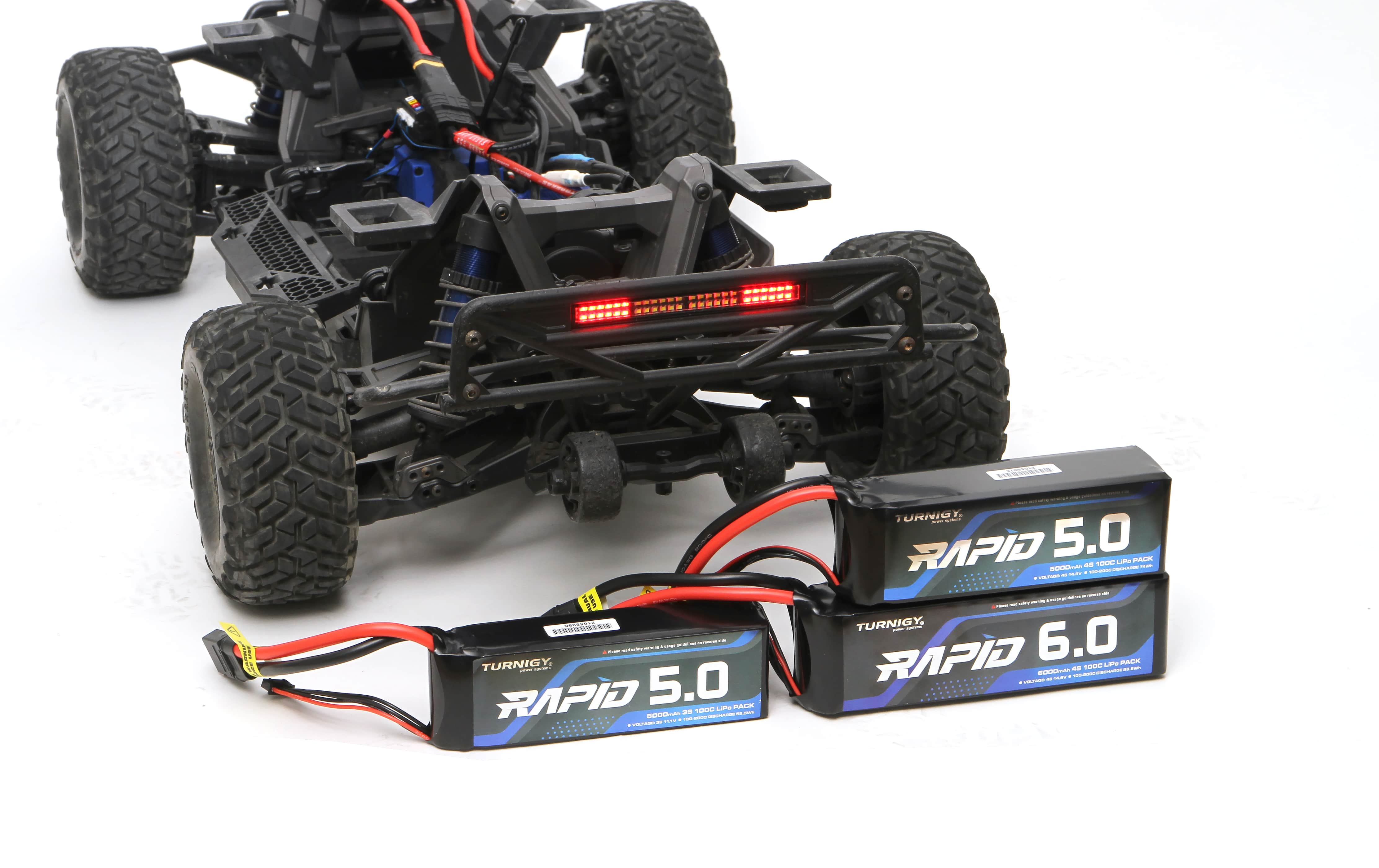
Overview of the Global LiPo Battery Recycling Program and HobbyKing's Role
A number of countries and organizations around the world have already launched recycling systems for LiPo batteries, covering community drop-offs, mail-in recycling and branded recycling programs:
1.In Europe, the EU WEEE Directive clearly requires that e-waste must be categorized and recycled, and HobbyKing has cooperative recycling service points at many sites in the EU.
2.The Call2Recycle program in the U.S. supports the recycling of multiple types of lithium batteries, and many HobbyKing users can find a participating store near them to drop off used batteries.
3.In the Asian markets of China and Taiwan, where “green recycling initiatives” are increasingly being promoted, HobbyKing supports users in working with local battery dealers to retire batteries.
4.HobbyKing's lipo recycling programs As the world's leading supplier of RC batteries, HobbyKing is committed to promoting its brand responsibility of “LiPo battery recycling and environmental protection. As the world's leading RC battery supplier, HobbyKing is committed to promoting “LiPo battery recycling and environmental protection”. The official website has a “Recycling” portal where users can check the recycling information of their location, and in the future, HobbyKing plans to launch a point exchange mechanism to encourage users to exchange their old batteries for new ones.
In addition, HobbyKing actively promotes the LiPo battery recycling program to reduce the environmental impact of e-waste. Our initiatives include:
- Cooperative Recycling Partners: Work with professional battery recycling companies to ensure safe dismantling and material reuse of LiPo batteries.
- User Incentive Programs: Receive HobbyKing points or discount coupons for participating in recycling.
- Eco-friendly packaging: Use biodegradable materials to reduce packaging pollution.
Users are encouraged to send used LiPo batteries to HobbyKing's designated recycling points or dispose of them safely through cooperative channels.
Information for Home Users - Considerations for Environmental Handling
Although most LiPo battery users are individual users, environmental handling still needs to remain professional and standardized. Here are some practical suggestions:
- Do not cut the connection cable of an incompletely discharged battery to avoid short circuit.
- Use a smart charger and set the correct voltage cut-off point.
- Avoid disposing of the battery directly into the household waste bin or general recycling bin.
- Do not store swollen, broken or over-discharged batteries at home. Batteries found to be bulging, leaking or with reduced performance should be decommissioned and recycled in a timely manner.
- Regularly check the status of unused LiPo batteries at home to avoid uncontrolled self-discharge due to prolonged non-use. When not in use for a long period of time, charge the battery to 3.8V per cell and store it in a fireproof bag or remove it as soon as possible.
- Educate people around you on the importance of “how to dispose of lipo batteries” and build a sustainable RC ecosystem together.
HobbyKing's high quality lipo batteries (such as the Turnigy series) are rigorously tested to provide a longer life and reduce waste at the source.
Frequently Asked Questions
Q1: Can a broken LiPo battery just be thrown in the trash?
A: Absolutely not! Broken LiPo batteries are more dangerous than normal batteries because:
- Broken packaging can lead to electrolyte leakage, corrode other objects and pollute the environment.
- Exposed electrodes are prone to short-circuiting, causing fires or even explosions.
- Lithium metal in contact with air or moisture can cause a violent chemical reaction.
Correct handling procedure:
- Immediately move the battery to a fireproof surface (e.g. concrete).
- Wear protective gloves and seal all exposed electrodes with insulating tape.
- Place in a special explosion-proof battery recycling bag or metal container.
- Take to a professional recycling site (e.g. HobbyKing partner recycling site) as soon as possible
Q2: What areas does HobbyKing's recycling program cover? How can I participate?
A:HobbyKing's LiPo Battery Recycling Program is currently available in several regions:
Regions Covered:
- North America: Major US warehouses (e.g. Nevada, Illinois)
- Europe: UK, Germany, Netherlands warehouses
- Asia Pacific: Australia, Hong Kong warehouses
How to participate:
- Log in to the HobbyKing website and check the “Support” page for the nearest recycling location.
- Apply for a recycling label through “My Account” (free shipping is available in some areas).
- Deliver the disposed batteries (discharged and insulated) to the designated point.
- Scan the QR code of the recycling slip to earn HobbyKing points ($5 coupon for every 5 batteries recycled).
Coming soon: Canada, Japan, Singapore (by Q3 2025)
Q3: How can I tell if my LiPo battery needs to be recycled?
A: Batteries should be recycled immediately when any of the following conditions occur:
Safety warning signals:
- Physical deformation: The thickness of the bulge exceeds 20% of the original size.
- Abnormal voltage: Single-cell voltage below 2.5V or above 4.3V.
- Performance degradation: capacity less than 70% of initial value
- Appearance damage: shell rupture, electrolyte leakage
- Abnormal use: serious heating during charging (>60℃)
Detection method:
- Measure the voltage difference of each cell with a voltage detector (the voltage difference of healthy batteries should be <0.05V)
- Perform charge/discharge test (record capacity with professional equipment such as iCharger )
- Observe the expansion during charging (test in an explosion-proof box)
Q5: How to temporarily store used LiPo batteries when there is no collection point?
A:Safe storage options:
- Container Options:
- Specialized fire and explosion proof battery storage box ( HobbyKing fireproof box is recommended)
- Metal ammo box + silicone seal
- Plastic buckets filled with vermiculite or sand
- Environmental Requirements:
- Temperature maintained at 15-25°C
- Relative humidity < 50%
- Keep away from flammable and metal objects
- Space each battery at least 5cm apart
- Storage period:
- Discharged batteries: up to 3 months
- Incompletely discharged batteries: no more than 7 days
- Batteries with bulging packs: should be immediately transferred to a safe area outside
Q6: How does HobbyKing handle recycled LiPo batteries?
A:HobbyKing utilizes a four-stage recycling system:
- Professional sorting
- Inspection of the internal state of the batteries by X-ray machine
- Sorting by chemical system (LiPo/LiFe, etc.)
- Distinguish between repairable batteries and complete rejects
- Deep discharge
- Ultra-low temperature discharge at -196°C under liquid nitrogen environment
- Use of pulse discharge equipment to ensure complete depletion of battery capacity
- Material Recycling
- Mechanical crushing to separate shells and cells
- Extraction of lithium, cobalt and nickel by hydrometallurgy (recovery rate >95%)
- Special neutralization treatment of electrolyte (meets EPA standards)
- Recycling
- Recovered metals for new battery production
- Plastic parts made into RC model accessories
- Reduction of 1.2 tons of carbon emissions per 1,000 batteries recycled
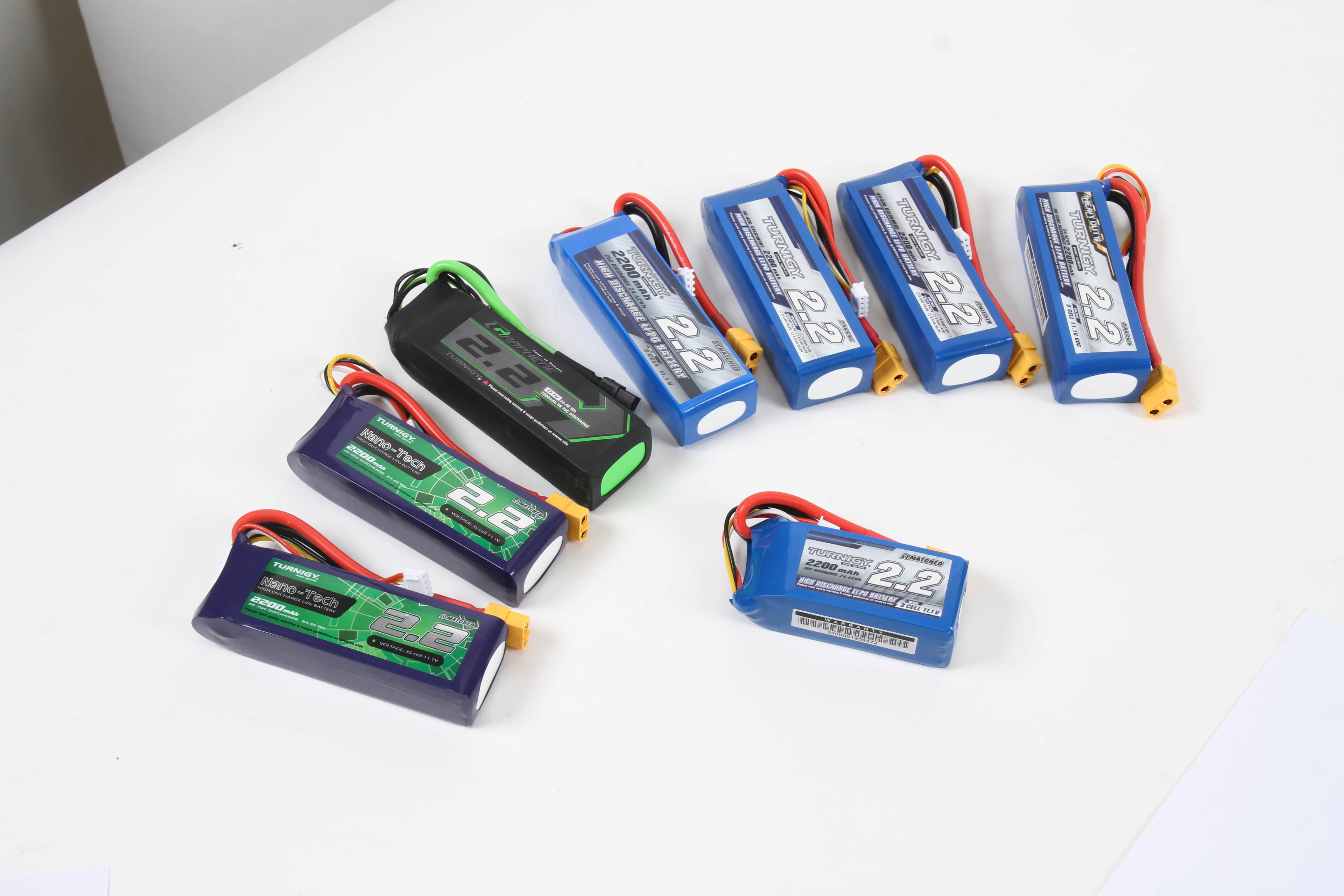
Q7: Why do some collection points charge a disposal fee?
A:The charge mainly stems from:
Cost components:
- Safe transportation: special transportation requirements in accordance with DOT 49 CFR 173.185
- Specialized equipment: Explosion-proof dismantling plants require a multi-million dollar investment.
- Environmental Treatment: Neutralized electrolyte costs about $8-12 per liter.
- Labor Costs: HAZWOPER 40 hour certification for technicians.
HobbyKing Subscriber Benefits:
- Members receive the first 3 free recycling pickups per year
- Bulk recycling (>20 batteries) with pay-as-you-go mailing service
- Discount program for old batteries (10% off the price of new batteries)
Promoting Environmental Action - Collaboration between Users and Brands
Realizing the goal of “Lipo battery recycling and environmental protection” requires not only the awareness of users, but also the collaboration of brands, governments and communities.
HobbyKing, as a responsible company, is expanding the scope of its lipo recycling programs, not only by spreading environmental protection knowledge online, but also by actively communicating with logistics partners and local governments to improve the convenience of recycling.
In the future, HobbyKing will also promote the following environmental commitments:
- Launch LiPo battery products with more environmentally friendly packaging.
- Enhance data synchronization with international recycling platforms.
- Encourage users to give back environmentally friendly behaviors, such as point rewards and discounts.
- Include an environmental guide in the newbie kit to popularize battery disposal knowledge.
Conclusion - Environmental protection, the responsibility of every RC player
LiPo batteries bring great power to RC enthusiasts, but environmental responsibility is equally important. Through the recycling, safe disposal and rational use of LiPo batteries, we can reduce pollution and protect the earth's resources. Mastering the correct method of “how to dispose of lipo batteries” and joining the “lipo recycling programs” advocated by HobbyKing is to do something for the planet we all live in. The passion and speed of the RC world should not be
The passion and speed of the RC world should not be built on the sacrifice of the environment. Let's choose environmental protection, responsibility and HobbyKing.
Category
Tags
Category
Tags
Compra nuestros más vendidos
 11%
OFF

Avios (PNF) Grand Tundra 2 STOL Sports Plane EPO 1700mm (Green/Silver)
SKU 9499670637
$327.99$369.0018%
OFF
H-King Paramotor V2 con barra de luces LED 2400mm (PNF)
SKU 9310670504
$155.99$189.9913%
OFF
H-King (PNF) Flybeam 2 Night Flyer w/LED Light System 1092mm (EPO)
SKU 9310670554
$156.99$179.9915%
OFF
H-King (PNF) KitFox Sport Plane 1100mm/1250mm (EPO)
SKU 9898670063
$169.99$199.9915%
OFF
Durafly Curtiss P-40 Warhawk V2 "Aleutian Tiger" 1100mm (PNF)
SKU 9306670734
$203.99$239.9915%
OFF
Durafly Tundra V3 "Inspire" (PNF) Modelo Deportivo con Flaps Rojo/Plata EPO 1300mm (51")
SKU 9499670588
$211.99$249.0033%
OFF
HobbyKing Sports Hawk "ARF-Plus" Jet EDF de 105mm con Retráctiles, Servos y Luces LED
SKU 9306670706
$804.99$1,199.0015%
OFF
HobbyKing® ™ morsa Planeador w / Flaps EPO 1400mm (PNF)
SKU 9306000019
$83.99$98.9920%
OFF
Durafly (PNF) Rare Bear Reno Racer 680mm EPO (Gold/White)
SKU 1021670038
$135.99$169.9920%
OFF
Durafly (PNF) Rare Bear Reno Racer 680mm EPO (Green/White)
SKU 1021670037
$135.99$169.9920%
OFF
Durafly Tundra TPX (PNF) EPP Profile 3D/Aerobatic Plane 1050mm
SKU 1021670039
$143.99$179.99
Turnigy APEX 2200mAh 3S 11.1V 180C LiPo Battery with XT60 for 7 inch FPV Drone and Planes
SKU 9067110092
$19.99$25.99
Turnigy 3300mAh 3S (11.1V) 30C Shorty LiPo Battery Pack w/XT60
SKU 9067110010
$18.99$22.99