Blog
Cerca un articolo
Battery
General News
Comprehensive Analysis of LiPo Battery Charging Protocol: Mastering Spektrum Smart G2 and 6S Balance Charging Techniques | HobbyKing
Battery
General News
Comprehensive Analysis of LiPo Battery Charging Protocol: Mastering Spektrum Smart G2 and 6S Balance Charging Techniques | HobbyKing
Why do LiPo batteries require a scientific charging protocol?
LiPo (lithium polymer) batteries are widely used in high-energy-consuming devices such as RC models, drones, FPV aerial photography, and robots, renowned for their high energy density, lightweight design, and rapid discharge capabilities. However, their sensitivity poses significant challenges—improper charging can lead to swelling, overheating, and even fire hazards.
This is the backdrop against which the LiPo Battery Charging Protocol was developed. A standardized and safe charging protocol not only ensures the battery's lifespan but also directly impacts the operational safety of the device. As a leading brand in the RC industry, HobbyKing has consistently emphasized the importance of proper charging procedures in both product development and user education, ensuring that users fully understand the “science” behind LiPo charging.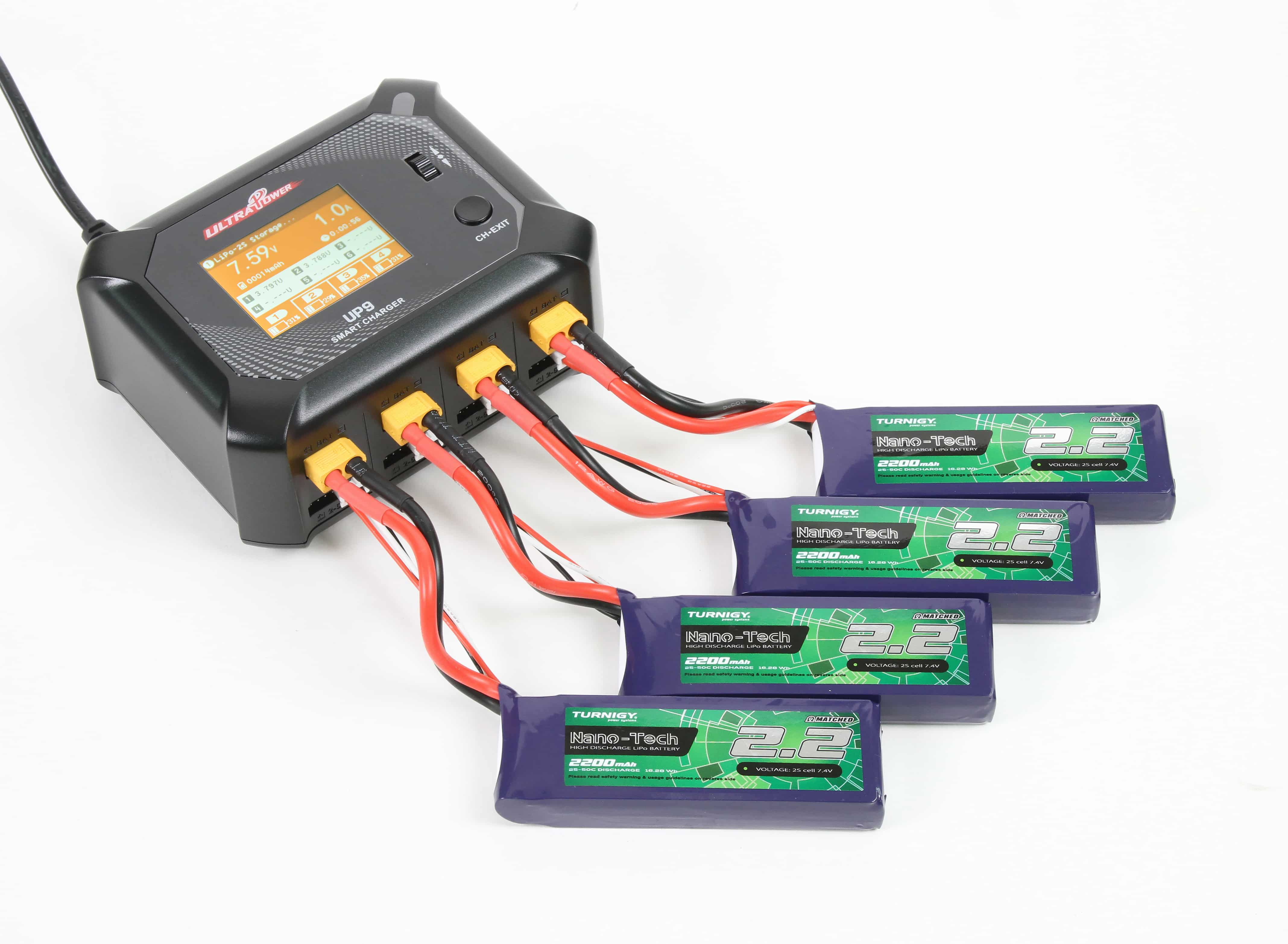
Basic Structure of the LiPo Battery Charging Protocol
The “LiPo Batery Charging Protocol” is not a single standard but a set of charging processes and technical specifications encompassing multiple dimensions. Its main components include:
2.1 Core Charging Phase
Constant Current-Constant Voltage (CC/CV) Mechanism
Initially, the system operates primarily at a constant current. Once the voltage approaches the threshold (typically 4.2V per cell), it automatically switches to constant voltage mode and gradually reduces the current until the battery is fully charged.
- Constant Current Phase (CC): Charges at a standard 1C current until the single cell reaches 4.15V.
- Constant Voltage Stage (CV): Gradually reduce the current until it drops to 0.05C cutoff
- Balancing Stage: Correct voltage differences between cells via the JST-XH interface (HobbyKing recommends voltage difference < 0.01V)
2.2 Safety Thresholds
Absolute No-Go Zone:
- Single-cell voltage > 4.25V (standard LiPo) or > 4.40V (LiHV)
- Charging temperature > 45°C (monitored using a HobbyKing infrared thermometer)
- Fast charging prohibited when voltage difference > 0.1V
2.3 Cell Monitoring and Temperature Control Feedback Mechanism
Advanced chargers are equipped with a temperature sensing system and independent cell monitoring function to prevent single-cell overcharging, excessive temperature rise, and other potential hazards.
2.4 Charging Rate Limitation
The standard recommendation is 1C, meaning that a 1000mAh capacity should be limited to a charging current of 1A or less. Some high-performance products support 2C or even 5C charging, but compatibility must be ensured.
2.5 Balanced Charging Process
For 3S, 4S, and even 6S LiPo batteries, using a balanced charger to synchronously manage the voltage of each cell is a critical measure to prevent imbalance.
2.6 HobbyKing Compatibility Solution
- Adapter Solution: Use the IC3-to-XT60 adapter (SKU: HK-IC3-XT60)
- Alternative Equipment: Turnigy G-Tech Pro supports Smart protocol decoding
- Upgrade Service: Install Smart chips on old batteries (available from HobbyKing's global warehouse)
HobbyKing products such as the Turnigy Reaktor and ToolkitRC series support professional balance management and protocol settings, providing robust hardware support for LiPo battery charging protocols.
Spektrum Smart G2 Charging — A New Era of Intelligent Charging
In recent years, “Spektrum Smart G2 Charging” has become a focal point for many mid-to-high-end RC users. This technology, introduced by Spektrum, is designed to simplify the LiPo battery charging experience and enhance safety.
Core advantages of the Smart G2 charging system:
- Built-in cell data chip: Each G2 battery is equipped with a smart chip that automatically uploads battery information (such as type, voltage, cycle count, charging history, etc.) to the charger.
- Plug-and-play: No complex setup required; simply connect the battery, and the system will automatically recognize and initiate the appropriate charging protocol.
- Supports automatic balancing and storage charging: The Spektrum Smart G2 can be set to automatically enter “storage voltage” (approximately 3.85V per cell) after full charge, extending battery life.
- No separate balancing plug required: The G2 design eliminates the traditional balancing plug, enabling cell data transmission and charging through the main power cable alone, significantly reducing operational complexity.
Although the Spektrum Smart G2 is not part of HobbyKing's native product lineup, HobbyKing supports compatibility with multiple charger and adapter brands. Especially in custom FPV kits and Turnigy systems, reliable compatibility is provided.
Practical Guide to Balanced Charging of 6S LiPo Batteries
“Balance charging for 6s lipo” is the most technically demanding part of LiPo charging. A 6S battery consists of six cells connected in series, with a total voltage of up to 22.2V. Its capacity and output power far exceed those of ordinary batteries, so the requirements for charging balance are extremely stringent.
4.1 Equipment Requirements
- Charger: Minimum 150W power (e.g., Turnigy Reaktor 150W)
- Balancer: 6S JST-XH interface, balancing current ≥300mA
- Environment: Fireproof and explosion-proof surface (recommended: HobbyKing fireproof charging bag)
4.2 Standard 6S Balanced Charging Steps:
- Connect the main discharge cable to the balance port using a charger with balance functionality (e.g., Turnigy Reaktor T240), connecting the main discharge cable (XT60/XT90) to the JST-XH balance connector.
- Select the balanced charging mode in the device menu by choosing “Balance Charge” instead of “Fast” or “Storage” to ensure all cells charge synchronously.
- Set the charging current It is recommended to use a 1C current (e.g., 6S 5000mAh set to 5A) to avoid overheating due to high rates.
- Start charging and monitor in real-time Observe the voltage changes of each cell. If the deviation exceeds ±0.03V, stop immediately and inspect the battery's health status.
- Wait for natural cooling after charging It is not recommended to use the battery immediately after charging. Allow the battery temperature to return to room temperature.
4.3 Troubleshooting
- Excessive pressure differential: Switch to 0.5C current + manual balancing mode
- Single cell failure: Stop immediately and check the balance line connectivity
- Bulging deformation: After safe discharge, transfer to the HobbyKing recycling point
HobbyKing offers a comprehensive solution for balance charging 6s lipo batteries. Its ToolkitRC and Turnigy chargers feature multi-channel 6S support and real-time display interfaces, ensuring a safe and controllable charging process.
Chapter 5: How to choose the right LiPo charger?
Under the “LiPo Battery Charging Protocol” standard, selecting a compliant, intelligent, and safe charger is critical. Here are HobbyKing's recommended selection criteria:
- Battery Support Specifications: Prioritize models that support 1-6S batteries, such as the ToolkitRC M7AC.
- Balancing Function: Supports balance charging (Balance Charge) and features interfaces like JST-XH.
- AC/DC Dual Power Supply: Suitable for both home and outdoor charging environments, enhancing flexibility.
- Intuitive User Interface: Such as the Turnigy touchscreen charger, making setup and monitoring easy for beginners.
- Multi-port simultaneous charging: Ideal for professional users operating drone fleets or RC teams.
Additionally, HobbyKing Mall offers a wide range of discounted products and new product trial activities, making it convenient for users to pair with Spektrum Smart, 6S LiPo, and other battery ecosystems.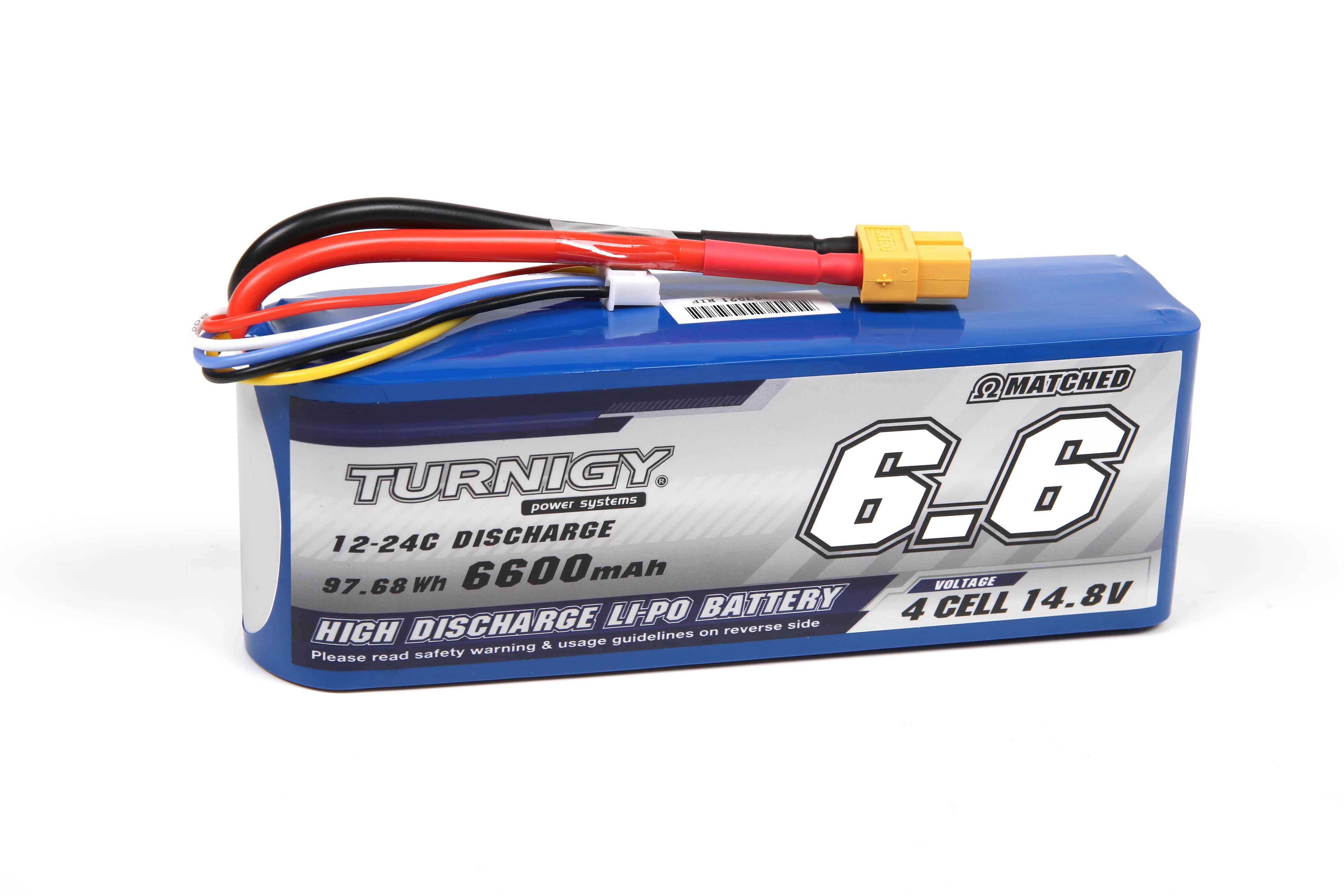
Chapter 6: Charging Precautions and Common Misconceptions
During everyday use of LiPo batteries, even with the most advanced chargers and comprehensive charging protocols, improper handling can still result in battery damage, performance degradation, and even safety hazards. Therefore, in addition to following the basic procedures outlined in the “LiPo Battery Charging Protocol,” users should be aware of common charging misconceptions and know how to address them correctly.
First, one of the most common mistakes is reversing the polarity. Some users fail to carefully verify the positive and negative terminals when connecting the charger, causing the battery to short-circuit instantly. The correct procedure is to thoroughly check the power cable, balance plug direction, and polarity before each connection to ensure the plug is inserted correctly.
Second, the risks associated with high-rate charging. While some battery models claim to support 2C or even 5C fast charging, we still recommend that most users charge at 1C as a baseline. For example, for a 5000mAh battery, the charging current should be kept below 5A. Using high-rate charging without caution can cause the battery temperature to rise rapidly, accelerate cell degradation, and even trigger thermal runaway.
The third often overlooked issue is charging without connecting the balance plug. This is particularly critical when using multi-cell LiPo batteries such as 3S, 4S, or 6S. If only the main discharge wires are connected while ignoring the balance ports, it will cause voltage imbalance among the cells, leading to battery swelling, capacity degradation, and other issues. When using a HobbyKing balance charger, it is essential to connect the main power source and the balance head simultaneously to ensure that each cell is monitored and regulated independently.
Additionally, excessively high charging environment temperatures must be avoided. Charging LiPo batteries in hot weather or enclosed spaces can cause temperatures to rise sharply, severely impacting safety. It is recommended to place the charger in a well-ventilated, dry area with temperatures controlled between 10°C and 35°C to reduce the risk of thermal runaway.
Another common mistake is failing to set the correct battery type. Modern multi-functional chargers support different types of lithium batteries (such as LiPo, LiHV, etc.). Incorrect settings can result in overcharging or undercharging, which may severely damage the battery. Users should confirm that the current settings match the battery type being used before each charge.
HobbyKing provides detailed usage guidelines and safety instructions in the manual for each battery and charger product. Users should always follow the brand's recommended charging procedures during actual operation. If you have any questions, you can contact the HobbyKing technical team at any time for professional support to ensure proper and safe operation in applications such as “spektrum smart g2 charging” or “balance charging for 6s lipo.”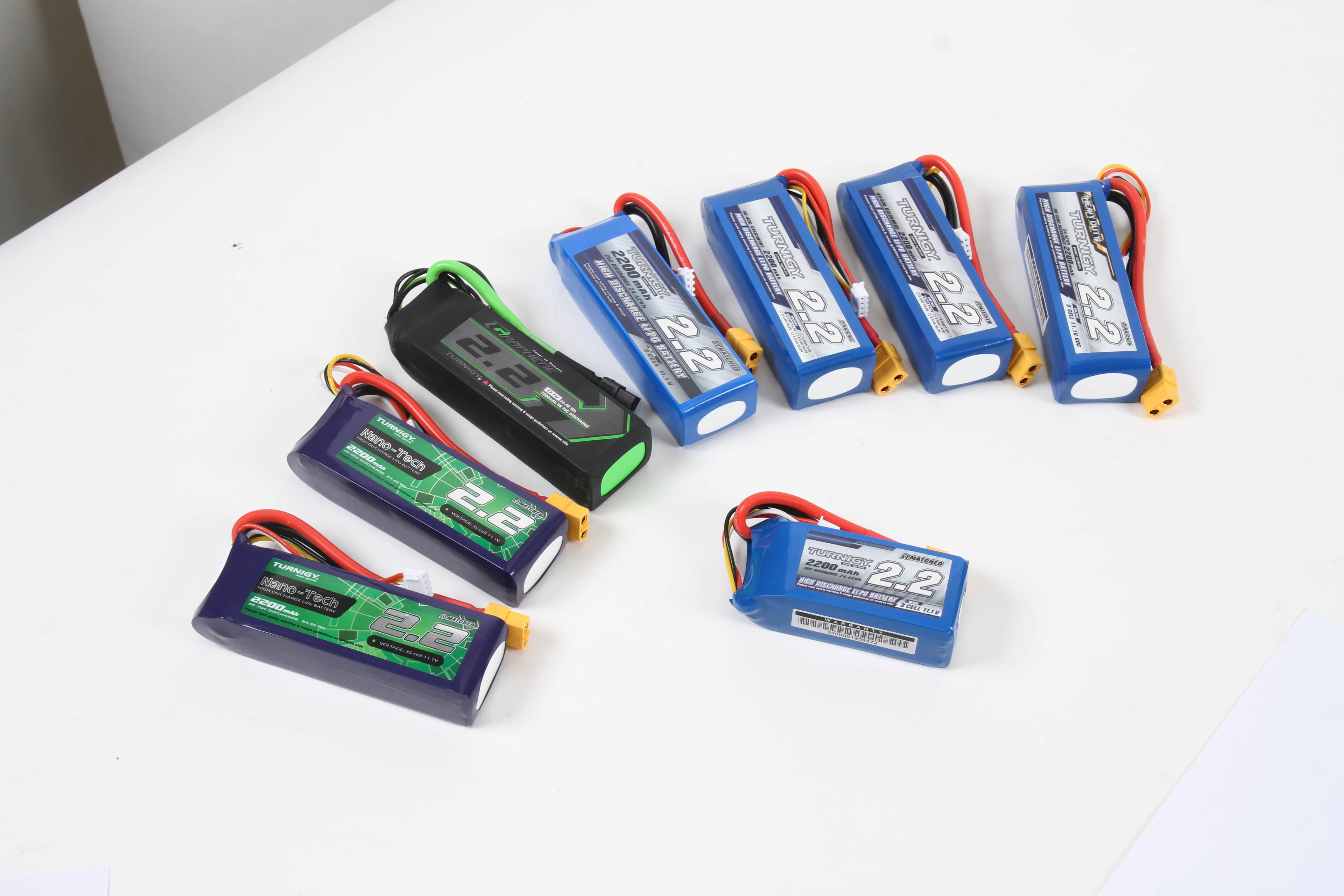
Safety, Efficiency, and Intelligence: The New Era of LiPo Charging Begins with You
From the most basic LiPo battery charging protocol to the intelligent Spektrum Smart G2 charging system, and on to advanced multi-cell balance charging for 6S LiPo batteries, we are entering an era of comprehensive upgrades in charging standards.
HobbyKing, backed by professional R&D and service support, continues to refine its range of LiPo chargers, battery compatibility solutions, and user training resources to help every RC enthusiast unlock the full potential of their batteries in a safe, efficient, and environmentally friendly manner.
Whether you're a beginner or an experienced enthusiast, mastering the correct charging protocol, selecting the right tools, and operating them properly will ensure your RC devices have lasting power. Let's start with scientific charging to achieve true safety and efficiency—all with HobbyKing.
Category
Tags
Category
Tags
Acquista i nostri bestseller
 11%
OFF

Avios (PNF) Grand Tundra 2 STOL Sports Plane EPO 1700mm (Green/Silver)
SKU 9499670637
$327.99$369.0018%
OFF
H-King Paramotor V2 con barra luminosa a LED 2400 mm (PNF)
SKU 9310670504
$155.99$189.9913%
OFF
H-King (PNF) Flybeam 2 Night Flyer w/LED Light System 1092mm (EPO)
SKU 9310670554
$156.99$179.9915%
OFF
H-King (PNF) KitFox Sport Plane 1100mm/1250mm (EPO)
SKU 9898670063
$169.99$199.9915%
OFF
Durafly Curtiss P-40 Warhawk V2 "Aleutian Tiger" 1100mm (PNF)
SKU 9306670734
$203.99$239.9915%
OFF
Durafly Tundra V3 "Inspire" (PNF) Modello Sportivo con Flaps Rosso/Argento EPO 1300mm (51")
SKU 9499670588
$211.99$249.0033%
OFF
HobbyKing Sports Hawk "ARF-Plus" Jet EDF 105mm con Retrattori, Servocomandi e Luci LED
SKU 9306670706
$804.99$1,199.0015%
OFF
HobbyKing® ™ Tricheco Aliante w / flap EPO 1.400 millimetri (PNF)
SKU 9306000019
$83.99$98.9920%
OFF
Durafly (PNF) Rare Bear Reno Racer 680mm EPO (Gold/White)
SKU 1021670038
$135.99$169.9920%
OFF
Durafly (PNF) Rare Bear Reno Racer 680mm EPO (Green/White)
SKU 1021670037
$135.99$169.9920%
OFF
Durafly Tundra TPX (PNF) EPP Profile 3D/Aerobatic Plane 1050mm
SKU 1021670039
$143.99$179.99
Turnigy APEX 2200mAh 3S 11.1V 180C LiPo Battery with XT60 for 7 inch FPV Drone and Planes
SKU 9067110092
$19.99$25.99
Turnigy 3300mAh 3S (11.1V) 30C Shorty LiPo Battery Pack w/XT60
SKU 9067110010
$18.99$22.99