De blog
Zoek een artikel
H-KING Turbo BushMaster V2 1830mm: 10 Things to Know Before You Buy
RC Black Friday Buying Guide 2026: What to Buy & How to Save
General News
In-depth analysis of common LiPo battery faults: from swelling to overheating, how to ensure battery safety
General News
In-depth analysis of common LiPo battery faults: from swelling to overheating, how to ensure battery safety
With the widespread use of LiPo batteries in remote controls, drones, and other electric devices, battery failure issues have gradually become apparent. These issues not only affect battery performance but can also pose a threat to device safety. This article will conduct an in-depth analysis of common LiPo battery failure scenarios, explore the causes of battery swelling, and provide detailed explanations based on real-world cases to help consumers understand how to prevent and address these issues.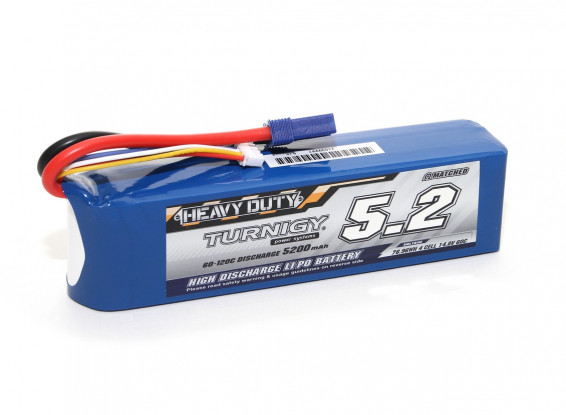
Common Types of LiPo Battery Failure
LiPo batteries are widely used in remote-controlled models, drones, and other electronic devices due to their high energy density and lightweight characteristics. However, if not properly managed during use, LiPo batteries are prone to failure issues that can affect their performance and safety. This section will introduce several common types of LiPo battery failure and provide effective preventive measures and solutions using HobbyKing products.
1.1 Battery Swelling
LiPo battery swelling (also known as battery bulging) is one of the most common failure issues. Battery swelling typically manifests as the battery casing bulging outward, and in severe cases may crack or leak electrolyte. This not only affects the battery's normal operation but may also pose safety hazards to the device.
Cause Analysis:
- Overcharging: When the battery is charged beyond its rated voltage (typically 4.2V per cell), the internal chemicals undergo unstable reactions, releasing gas and causing swelling.
- Over-discharging: Over-discharging causes the internal voltage of the battery to drop too low, leading to abnormal chemical reactions inside the battery and ultimately resulting in battery damage.
- High-temperature environment: In high-temperature conditions, the chemical reactions inside the battery accelerate, increasing gas release and the risk of swelling.
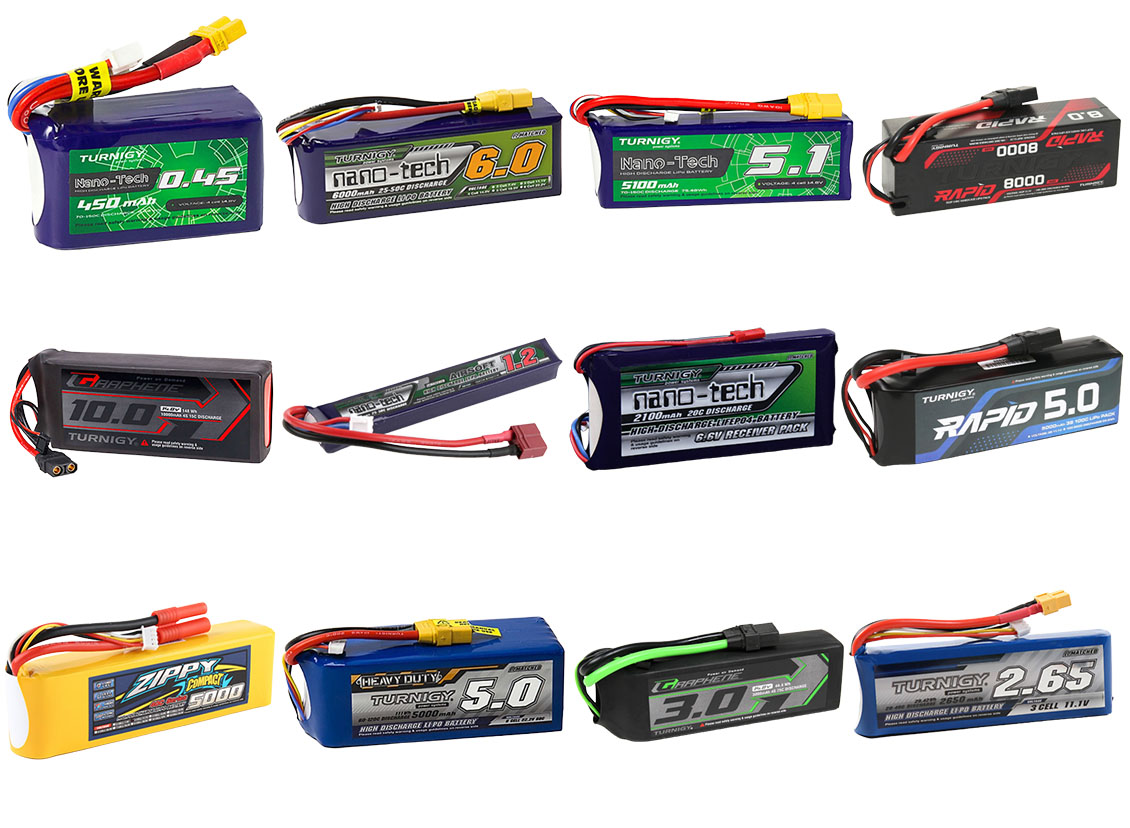
- Select high-quality batteries: HobbyKing offers the Turnigy Nano-Tech series and Graphene Panther series LiPo batteries, which feature superior high-temperature resistance and anti-expansion properties, effectively reducing the occurrence of expansion issues.
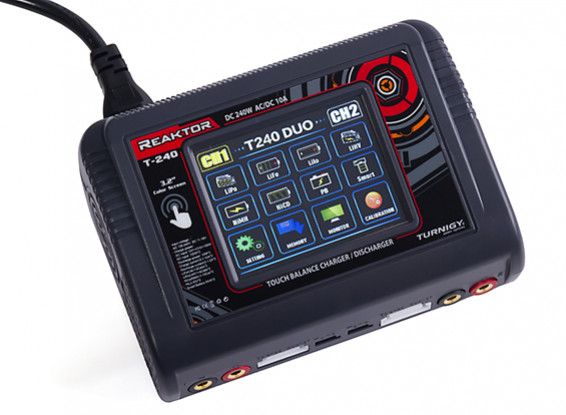
- Charging protection: Use chargers with temperature control and voltage protection features, such as HobbyKing's Turnigy Reaktor series smart chargers, to ensure batteries charge within safe voltage limits and prevent overcharging.
Solutions:
1.2 Battery Capacity Degradation
LiPo battery capacity degradation typically occurs after prolonged use or frequent charging and discharging cycles. Capacity degradation means the battery can store less energy over time, significantly reducing the device's operational runtime.
Causes:
- Frequent deep discharge: Discharging the battery to its limit (typically below 3.0V per cell) accelerates the degradation of internal chemical compounds, leading to a continuous decline in capacity.
- High discharge rate: When the battery is used under high load, especially at high discharge rates (e.g., batteries rated at 100C or higher), the internal battery materials undergo irreversible damage, leading to capacity degradation.
- Moderate charging and discharging: Avoid frequently discharging the battery voltage to extremely low levels. When using the battery, maintain the voltage between 3.7V and 4.0V. HobbyKing's Turnigy and Graphene Panther series batteries are designed to handle higher discharge rates and maintain performance under high loads.
- Use a smart charger: Use a charger with battery health monitoring (such as the Turnigy Accucell 6 series), which can help users monitor battery health and alert them to avoid unnecessary deep discharges.
Solutions:
1.3 Battery Short Circuits and Overheating
Battery short circuits and overheating are major causes of LiPo battery failure. Battery short circuits are typically caused by internal battery faults, damaged connectors, or external short circuits, while overheating is caused by heat accumulation during high-load operation or charging.
Cause Analysis:
- Internal Short Circuit: Defects within the battery, which may be due to manufacturing issues or damage caused by external impacts (e.g., collisions).
- Excessive discharge current: Prolonged operation of the battery at loads exceeding its rated discharge current can cause the internal temperature to rise excessively, resulting in overheating.
- Improper charging: Charger malfunction or improper use may cause the battery temperature to rise excessively.
- Inspect the battery casing and connectors: HobbyKing's Turnigy Rapid and Graphene Panther series batteries undergo rigorous quality checks at the factory to ensure the quality of the connectors and casing. Users should regularly inspect the battery connectors for loosening or damage.
- Use appropriate battery protection circuits: Select battery protection circuits with over-temperature and over-current protection, such as the HobbyKing LiPo Battery Protection Board, to effectively prevent battery damage caused by short circuits or overheating.
- Avoid high-temperature environments: When using LiPo batteries, avoid exposing them to high temperatures, especially in summer or direct sunlight. Use HobbyKing's LiPo battery fireproof bag for storage and charging to ensure the batteries operate within a safe temperature range.
Solutions:
Analysis of LiPo Battery Failure Cases
To better understand common failure issues with LiPo batteries, we will analyze the causes of battery failure through several real-world cases.
2.1 Case 1: Battery Swelling in High-Temperature Environments
A remote-controlled car user used a LiPo battery for a car racing competition in a high-temperature environment during summer. Due to insufficient attention to the battery temperature during charging, the battery swelled while charging in high temperatures.
Solution:
- Avoid charging in high-temperature environments, especially in direct sunlight.
- Use a charger with temperature control to ensure the battery temperature remains within a safe range.
2.2 Case 2: Battery Short Circuit Causing Overheating
A drone operator encountered a battery short circuit during flight, causing the battery to overheat and catch fire. This was due to external damage to the battery during connection to the drone, resulting in a short circuit.
Solutions:
- Ensure that battery terminals, connection cables, and plugs are not damaged.
- Use high-quality battery protectors and regularly inspect battery condition.
2.3 Case 3: Capacity Decline Due to Over-Discharge
A user discharged LiPo batteries below the recommended voltage over multiple flight cycles. Ultimately, the battery capacity significantly degraded, resulting in significantly reduced flight time, and the user had to replace the battery.
Solutions:
- Strictly follow the manufacturer's battery usage guidelines and avoid allowing the battery voltage to drop below the recommended safe threshold (typically 3.7V).
How to Prevent LiPo Battery Failure
LiPo batteries are a highly efficient energy source widely used in remote controls, drones, and other devices. However, if used improperly, LiPo batteries are prone to failure, swelling, and other issues that can affect device performance and safety. The following information, based on HobbyKing products, provides users with effective preventive measures to help extend the service life of LiPo batteries and ensure their safety.
3.1 Selecting the Right Battery and Compatible Equipment
When using LiPo batteries, the first step is to select the appropriate battery specifications. HobbyKing offers a variety of LiPo battery types, allowing users to choose batteries with the appropriate capacity, voltage, and discharge rate based on their equipment requirements. For example, for high-load applications such as drones, it is recommended to select LiPo batteries with a higher discharge rate (e.g., 100C) to ensure the battery can withstand high-intensity workloads.Selecting the appropriate battery prevents battery failure due to overloading.
- Recommended products: HobbyKing's Turnigy series and Graphene Panther series batteries offer different voltages (e.g., 3S, 4S, 6S) and high discharge rates (e.g., 100C, 140C) to meet the needs of various RC models and drones.
3.2 Proper Charging and Discharging Proper charging and discharging management of LiPo batteries is critical to their service life. Overcharging and over-discharging can accelerate battery degradation and even cause battery damage. To avoid these issues, users can take the following measures:
- Charging Management: Use a smart charger recommended by HobbyKing, such as the Turnigy Accucell 6 series. These chargers feature multiple protection functions and automatically adjust the charging current to prevent overcharging. During charging, ensure the battery voltage does not exceed the maximum voltage (typically 4.2V per cell) to prevent damage from overvoltage.
- Discharge Management: LiPo batteries should be avoided from being discharged to extremely low voltages. It is generally recommended to stop using the battery when the voltage reaches 3.3V per cell to prevent deep discharge from damaging battery performance. Most HobbyKing batteries have built-in low-voltage protection to ensure they do not get damaged due to over-discharge.
- Recommended Products: HobbyKing's Turnigy series batteries support intelligent protection features, ensuring they operate within safe limits during charging and discharging.
3.3 Battery Storage
When not in use, proper storage of LiPo batteries is critical. Prolonged exposure to high or low temperatures, or storing batteries in a fully charged state, can accelerate battery degradation. To maintain optimal battery performance, users should follow these storage guidelines:
Recommended Storage Temperature: Store batteries in a cool, dry place away from direct sunlight and extreme temperatures. The ideal storage temperature range is 15°C to 25°C.
- Storage Charge Level: LiPo batteries should not be stored fully charged or completely discharged. The optimal storage charge level is 30%-50%. HobbyKing's Turnigy and Graphene series batteries are equipped with a storage mode feature, and the charger can help users adjust the battery charge level to the ideal storage level when not in use.
- Safe Storage: For batteries that will not be used for an extended period, it is recommended to store them in a dedicated fire-resistant bag. HobbyKing offers various fire-resistant battery bags that effectively prevent battery swelling or fire hazards.
- Recommended Products: HobbyKing's LiPo Battery Storage Bags and Fire-Resistant Charging Bags provide additional safety protection for batteries during storage.
3.4 Preventing Battery Overheating Battery overheating is one of the primary causes of LiPo battery failure. High temperatures accelerate chemical reactions within the battery, reducing its capacity and potentially causing swelling or even combustion. Therefore, it is essential to avoid overheating the battery during use.
- Use cooling devices: During flight or operation, heat sinks or battery coolers can be used to lower battery temperature, especially during high-load operations. HobbyKing offers a variety of battery cooling accessories that users can choose from based on their needs.
- Ensure proper battery ventilation: When storing batteries, ensure they are well-ventilated. Avoid storing batteries in enclosed environments, as this helps dissipate heat and reduce the risk of overheating.
- Avoid prolonged charging at high temperatures: During hot summer months, avoid charging batteries in direct sunlight or in environments with high temperatures. Using a charger with temperature sensing functionality can help detect battery temperature and automatically pause charging when necessary.
- Recommended product: HobbyKing's Turnigy Reaktor series chargers feature built-in temperature monitoring systems that automatically pause charging operations to prevent battery damage from overheating.
3.5 Regularly check the battery status
Regularly inspect the battery's appearance and performance to promptly identify any abnormalities. During inspection, pay attention to the following aspects:
- Visual inspection: Check the battery casing for swelling, cracks, or leakage. If any abnormalities are detected, it is recommended to immediately cease using the battery.
- Battery Voltage Check: Use a LiPo voltage checker to regularly monitor the battery voltage for stability. HobbyKing's LiPo battery monitoring tools can help users monitor battery status in real time and prevent overcharging or over-discharging.
- Recommended Product: HobbyKing's LiPo Battery Voltage Checker supports real-time monitoring of battery voltage to ensure the battery remains within safe operating limits.
By selecting the right battery, controlling the charging and discharging process, storing it properly, and performing regular checks, users can significantly extend the service life of LiPo batteries and reduce the risk of battery failure. HobbyKing is committed to providing users with high-quality, safe, and reliable battery products, and through a range of smart accessories and tools, helps users better manage LiPo batteries to ensure safe and stable operation of their equipment.
LiPo batteries are an indispensable power source for modern remote-controlled devices and drones, offering high energy density and lightweight characteristics that make them widely used in various electronic devices. However, LiPo battery failure issues, such as swelling, capacity degradation, short circuits, and overheating, remain the primary challenges users face during use. By selecting appropriate batteries, implementing proper charging and discharging management, storing them correctly, and conducting regular inspections, users can significantly reduce the risk of battery failure and extend their service life.
Among these preventive measures, selecting high-quality LiPo battery products is the first step to ensuring device safety and stable performance. As a global leader in RC model and battery products, HobbyKing offers a wide range of LiPo battery options to meet the needs of different devices. Whether it's batteries with high discharge rates, better temperature control performance, or chargers with intelligent protection features, HobbyKing provides users with a one-stop solution to ensure safety and efficiency when using LiPo batteries.
HobbyKing's Turnigy series batteries and Graphene Panther series batteries not only deliver outstanding performance but also undergo rigorous quality testing and design to reduce the risk of battery failure. Especially in high-load usage scenarios, HobbyKing's batteries provide more stable current output and longer service life. Additionally, HobbyKing offers professional accessories such as smart chargers and LiPo battery fireproof bags, providing users with comprehensive battery protection and management solutions.
Choosing HobbyKing ensures you receive high-quality, safe, and reliable battery products, providing your devices with stable and long-lasting power support. This allows you to enjoy the fun of RC models and drones without the hassle of battery failures. Whether you are a beginner or an experienced RC enthusiast, HobbyKing's products are your reliable choice.
Category
Tags
Category
Tags
Shop onze beste verkopers
 11%
OFF

Avios (PNF) Grand Tundra 2 STOL Sports Plane EPO 1700mm (Green/Silver)
SKU 9499670637
$327.99$369.0018%
OFF
H-King Paramotor V2 met Led-lichtbalk 2400mm (PNF)
SKU 9310670504
$155.99$189.9913%
OFF
H-King (PNF) Flybeam 2 Night Flyer w/LED Light System 1092mm (EPO)
SKU 9310670554
$156.99$179.9915%
OFF
H-King (PNF) KitFox Sport Plane 1100mm/1250mm (EPO)
SKU 9898670063
$169.99$199.9915%
OFF
Durafly Curtiss P-40 Warhawk V2 "Aleutian Tiger" 1100mm (PNF)
SKU 9306670734
$203.99$239.9915%
OFF
Durafly Tundra V3 "Inspire" (PNF) Sportmodel met Flaps Rood/Zilver EPO 1300mm (51")
SKU 9499670588
$211.99$249.0033%
OFF
HobbyKing Sports Hawk "ARF-Plus" 105mm EDF Jet met intrekbare landingsgestellen, servos en LED-verlichting
SKU 9306670706
$804.99$1,199.0015%
OFF
HobbyKing® ™ Walrus Glider w / Kleppen EPO 1400mm (PNF)
SKU 9306000019
$83.99$98.9920%
OFF
Durafly (PNF) Rare Bear Reno Racer 680mm EPO (Gold/White)
SKU 1021670038
$135.99$169.9920%
OFF
Durafly (PNF) Rare Bear Reno Racer 680mm EPO (Green/White)
SKU 1021670037
$135.99$169.9920%
OFF
Durafly Tundra TPX (PNF) EPP Profile 3D/Aerobatic Plane 1050mm
SKU 1021670039
$143.99$179.99
Turnigy APEX 2200mAh 3S 11.1V 180C LiPo Battery with XT60 for 7 inch FPV Drone and Planes
SKU 9067110092
$19.99$25.99
Turnigy 3300mAh 3S (11.1V) 30C Shorty LiPo Battery Pack w/XT60
SKU 9067110010
$18.99$22.99