Der Blog
Suchen Sie einen Artikel
Battery
LiPo Battery Safety Guide (2026): Prevent Fires, Charge & Store Right
Battery
LiPo Battery Safety Guide (2026): Prevent Fires, Charge & Store Right
LiPo Battery Explosion Risk & Fire Prevention Guide | Real-World Charging + Safety Bag Use
If you fly drones, run RC cars, or keep a fixed-wing in the trunk for weekend sessions, you already know the deal: LiPo batteries are the reason your setup feels alive. They’re also the reason people suddenly start Googling “LiPo battery explosion risk” after seeing a scary clip online.
Here’s the honest version: most LiPo fires aren’t random. It’s usually a small chain — a tired pack, a wrong setting, too much heat, “I’ll just step away for a minute,” and then things get serious fast. This guide sticks to what actually helps: how fires start, how to spot a risky pack early, how to charge without tempting fate, and where a LiPo safety bag fits in (useful, but not a magic shield).
1) Before you hit Start: confirm LiPo/LiHV mode + cell count + ~1C, and charge on tile/metal.
2) If the pack looks sketchy: puffing/heat/smell = stop using, isolate it (bag/box away from clutter).
3) If it vents: cut power if safe, step back, use dry sand to smother/isolate, call emergency services if it grows.
If you want the bigger picture (charging, storage, connectors, troubleshooting), start here: Battery Learning Hub.
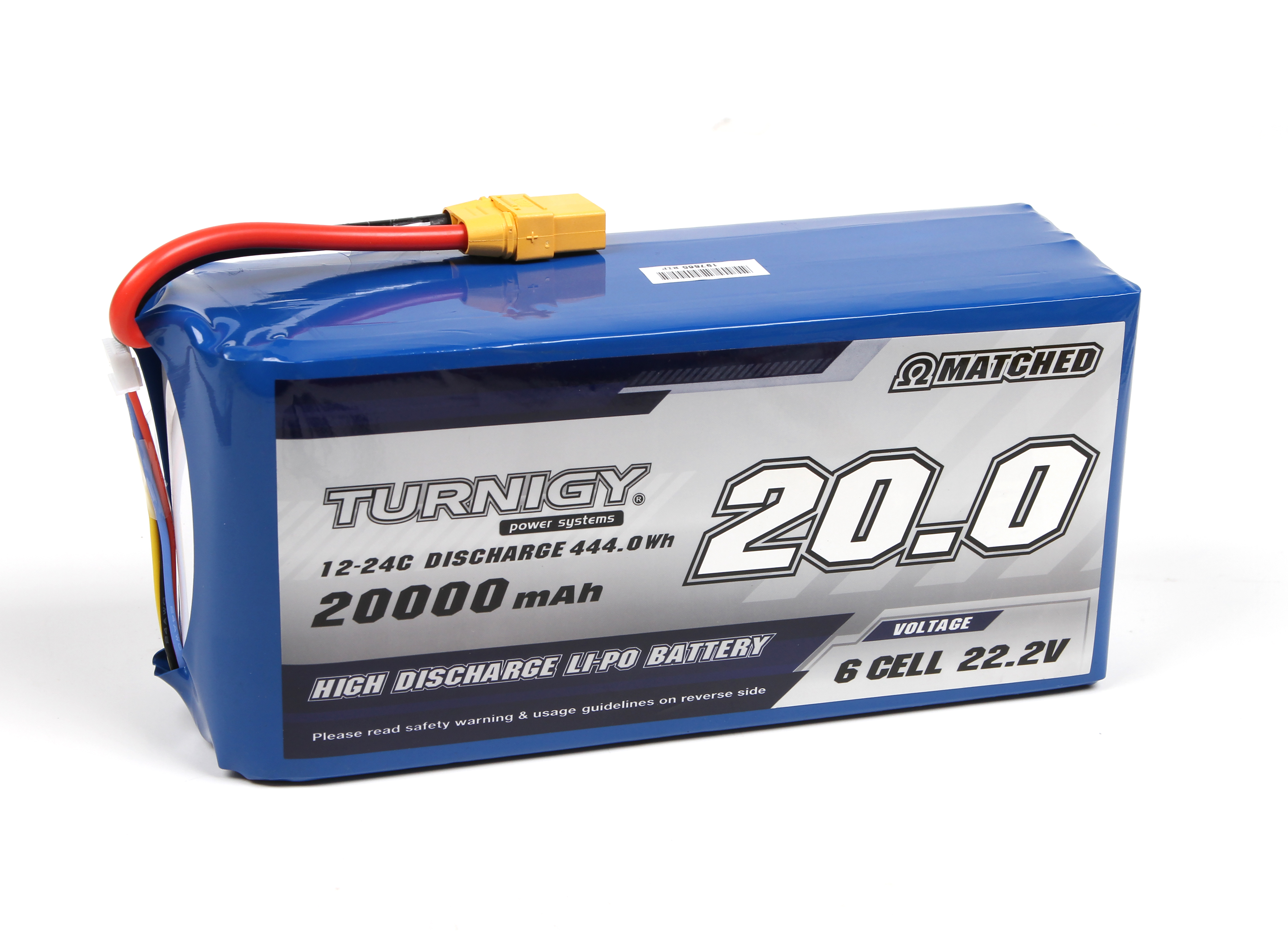
Why LiPo Batteries Can Catch Fire
Inside a LiPo pack you’ve got thin layers, flammable electrolyte, and a lot of energy packed into a small space. If a cell gets damaged, overheated, or pushed outside safe voltage limits, it can enter thermal runaway — a self-heating reaction that accelerates instead of calming down. That’s when you see venting, smoke, and sometimes flame.
The triggers are usually boring… until they aren’t:
- Overcharging (wrong chemistry mode, wrong cell count, or charging above safe per-cell voltage).
- Over-discharging (flying/driving until the pack sags hard and a weak cell collapses).
- Short circuits (metal tools, crushed leads, worn insulation, loose connectors).
- Physical damage (crash impact, puncture, deep dents, hard creases).
- Heat (charging in a hot garage/car, packs left in the sun, poor airflow around a charger).
- Old packs (higher internal resistance → more heat under load/charge → less margin for mistakes).
“Stop Using It” Signs (Don’t Negotiate With These)
If a pack shows any of these, don’t try to “baby it back.” This is the point where people talk themselves into one more charge… and that’s exactly how incidents happen.
- Swelling / puffing (especially if it’s new behavior or getting worse).
- Unusual heat during charge or normal use (hotter than your setup normally runs).
- Visible damage: torn wrap with exposed foil, crushed corners, puncture marks, deep dents.
- Electrical weirdness: big imbalance, one cell always drifting low/high, sudden voltage sag under light load.
- Smell or leakage: sweet/solvent odor, wet spots, corrosion around terminals.
Fire Prevention That Actually Works (Charging + Storage)
Charging: the stuff you check every time (even when you’re tired)
This isn’t about being paranoid — it’s about building a boring habit so nothing exciting happens.
Most mistakes happen when you’re tired and rushing — wrong mode, wrong cell count, then you hit Start on autopilot.
- Use balance charge for multi-cell packs whenever possible.
- Double-check chemistry (LiPo vs LiHV), cell count (S), and charge current before you hit Start.
- If you want maximum margin, stick close to ~1C unless you truly know the pack and charger behavior.
- Charge on a non-flammable surface (tile, concrete, metal tray). Not on carpet. Not on paper. Not on a couch “just for a second.”
- Don’t charge unattended. If you remember one line from this page, make it that.
If you need a dependable bench charger, a classic example is: SkyRC iMAX B6 V2. Or browse the full lineup here: LiPo Chargers.
Storage: where packs quietly go bad (or stay healthy)
A lot of packs don’t die in the air — they die slowly in a hot car or a stuffy garage.
- Use your charger’s Storage mode when a pack won’t be used for a while.
- Store packs cool and separated — not piled together in a hot car, not next to fuel/solvents.
- Use a container for daily life: LiPo bags & covers are a simple baseline.
Storage voltage (long-term): the one number most people skip
If you store a LiPo full, it ages faster. If you store it near-empty, one weak cell can drift into “too low” territory. The boring middle is what keeps packs stable.
- Target: about 3.75–3.85V per cell (roughly 40%–60% state of charge). Use your charger’s Storage mode.
- If packs sit for weeks: do a quick voltage check about once a month. If it drifts low, bring it back to storage voltage.
- Don’t leave packs full “just in case”: full is for flying/driving. Storage voltage is for sitting.
Temperature: heat ages packs fast, cold makes you over-discharge
Heat shrinks your safety margin. Cold is sneaky too — it increases voltage sag, so people push packs past where they’d normally land.
- Hot car / direct sun: avoid. If a pack feels warm before charging, let it return to room temperature first.
- Cold weather sessions: land earlier. Voltage sag can make “one more minute” turn into a weak-cell problem.
- Best storage spot: cool, dry, stable — away from heaters, windows, and clutter.
Transport: how to move LiPos without turning “fine” into “sketchy”
Most packs don’t fail because you “transported them.” They fail because transport adds the two things LiPos hate: heat and short-circuit risk (loose tools, crushed leads, bouncing around).
| Common transport mistake | What it causes | Do this instead |
|---|---|---|
| Packs loose in a backpack/toolbox | Leads get crushed, balance wires ripped, accidental shorts | Use a LiPo bag or rigid case; keep packs separated and flat |
| Connectors exposed (XT60/XT90 touching metal) | Instant short → heat → melted leads (worst case: fire) | Cap/cover connectors; keep metal tools in a different compartment |
| Leaving packs in a hot car “just for an hour” | Faster aging; increases risk during the next charge | Bring them inside; keep packs shaded and ventilated during travel |
When to retire a pack
If a pack starts getting puffy, running hot for no good reason, or won’t hold balance like it used to — that’s your warning. Retiring a pack early is cheaper than replacing a bench… or a room.
LiPo Safety Bag: What It’s Good For (and What It Isn’t)
A safety bag is usually made from flame-retardant fiberglass material. In plain terms, it’s there to help contain flames/embers and slow down spread. That “slows things down” part matters — it buys you a little time to react.
| It helps with | It doesn’t guarantee |
|---|---|
| Reducing chance of fire spreading to nearby items | Safe unattended charging |
| Containing sparks/embers better than open-air charging | Fixing a damaged pack or wrong charger settings |
| A baseline layer for storage/transport | Making swollen/leaking packs “okay to use” |
How to Use a LiPo Safety Bag Without Fooling Yourself
If you’ve ever seen a charging setup that looks “safe” because a bag is present — but it’s sitting on a sofa, wires tangled, charger buried under stuff — that’s the wrong lesson. Use the bag properly and keep the whole area calm and controlled.
- Base matters: put the bag on tile/concrete/metal tray, with space around it.
- Lay the pack flat; don’t crush balance leads or kink the main wires.
- Route wires through the opening and keep the bag mostly closed (don’t leave it wide open).
- Keep the charger ventilated. Chargers need airflow; don’t “wrap it up.”
- Stay nearby. If something smells odd, gets hot fast, or cell voltages jump around, stop immediately.
Also: if your bag has burn marks, torn stitching, or cracked edges, replace it.
| Scenario | Bag? | Real-world note |
|---|---|---|
| Charging indoors (home/office) | Yes | Containment matters when furniture/clutter is nearby |
| “Unattended charging” | No | A bag is not permission to walk away |
| Multiple packs in one session | Yes | Helps reduce chain-reaction risk |
| Transport / storage | Yes | Protect leads + reduce accidental shorts |
Pick Your Safety Level (Simple, Not Salesy)
- Baseline: a safety bag for storage + supervised charging
- More robust bench setup: a rigid safety box (example: Bat-Safe charging box)
- Best practice: safe container + correct charger mode + storage voltage + quick pack inspection before every charge
If a LiPo Fire Happens: What to Do (Keep It Simple)
If you see venting, smoke, or flame: don’t try to be a hero. Step back, get people and pets away, and avoid breathing the smoke (it can be toxic).
- Stop charging / disconnect power if you can do so safely.
- Don’t touch or move a hot, venting pack with bare hands.
- Clear the area and give it space — most injuries happen from getting too close too fast.
- If it’s a small fire and you’re equipped, a dry powder extinguisher can help knock down nearby flames (for example, if the bench, wiring, or surrounding materials catch).
- For the battery itself, a bucket of dry sand is one of the simplest, cheapest “RC field” solutions. It doesn’t rely on fancy gear — you can smother and isolate a damaged pack to slow things down and reduce spread.
- If it escalates, call emergency services and say “lithium battery fire.”
If you keep LiPos at home, it’s honestly worth having a small bucket of dry sand nearby — not next to the charger, but within quick reach.
FAQ (Short, Real Answers)
Do I really need a LiPo safety bag?
If you charge or store LiPos at home, it’s a low-cost baseline layer. It makes the most difference when you’re already doing the basics right (correct settings + supervision).
Can a safety bag prevent all LiPo fires?
No. It can help contain and slow spread, but it can’t fix a damaged pack or wrong charger setup.
Can I charge inside the bag and leave the room?
Not recommended. Most bad stories start with “I just stepped away for a minute.”
Swollen pack: can I keep using it if it’s in a bag?
Use the bag for temporary isolation, sure — but don’t keep charging/using a swollen pack.
Bag vs rigid charging box — what’s safer?
A rigid box can offer stronger containment. Many people use a bag for transport/storage and a box for regular bench charging.
What voltage causes a LiPo to catch fire?
There isn’t one single “fire voltage.” Most incidents are a chain: damage + heat + wrong charge settings (especially overcharging). The safest move is preventing overcharge, watching for abnormal heat, and retiring packs that start acting weird.
Is it safe to charge LiPo batteries in a garage?
A garage can be fine if it’s ventilated, the pack is on a non-flammable surface, and you’re not charging next to clutter, fuel, or solvents. The big rule still applies: don’t charge unattended.
What is the best voltage for long-term LiPo storage?
A good target is roughly 3.75–3.85V per cell. Use your charger’s Storage mode, and re-check monthly if packs sit for a long time.
Is it okay to leave LiPo batteries in a car?
Try not to. Heat buildup in a parked car accelerates aging and can increase risk on the next charge. If you must transport packs, keep them shaded, secured, and bring them inside ASAP.
Can I charge a LiPo right after it’s been in extreme heat or cold?
Better to wait. Let the pack return to room temperature first. Charging a pack that’s already hot (or still very cold) reduces your safety margin and can worsen imbalance.
Browse safety storage options here: LiPo Bags & Covers.

Category
Tags
Category
Tags
Unsere Bestseller entdecken
 11%
OFF

Avios (PNF) Grand Tundra 2 STOL Sports Plane EPO 1700mm (Green/Silver)
SKU 9499670637
$327.99$369.0018%
OFF
H-King Paramotor V2 mit LED-Lichtleiste 2400mm (PNF)
SKU 9310670504
$155.99$189.9913%
OFF
H-King (PNF) Flybeam 2 Night Flyer w/LED Light System 1092mm (EPO)
SKU 9310670554
$156.99$179.9915%
OFF
H-King (PNF) KitFox Sport Plane 1100mm/1250mm (EPO)
SKU 9898670063
$169.99$199.9915%
OFF
Durafly Curtiss P-40 Warhawk V2 "Aleutian Tiger" 1100mm (PNF)
SKU 9306670734
$203.99$239.9915%
OFF
Durafly Tundra V3 "Inspire" (PNF) Sportmodell mit Landeklappen Rot/Silber EPO 1300mm (51")
SKU 9499670588
$211.99$249.0033%
OFF
HobbyKing Sports Hawk "ARF-Plus" 105mm EDF Jet mit Fahrwerken, Servos und LED-Lichtern
SKU 9306670706
$804.99$1,199.0015%
OFF
HobbyKing® ™ Walrus Glider w / Flaps EPO 1400mm (PNF)
SKU 9306000019
$83.99$98.9920%
OFF
Durafly (PNF) Rare Bear Reno Racer 680mm EPO (Gold/White)
SKU 1021670038
$135.99$169.9920%
OFF
Durafly (PNF) Rare Bear Reno Racer 680mm EPO (Green/White)
SKU 1021670037
$135.99$169.9920%
OFF
Durafly Tundra TPX (PNF) EPP Profile 3D/Aerobatic Plane 1050mm
SKU 1021670039
$143.99$179.99
Turnigy APEX 2200mAh 3S 11.1V 180C LiPo Battery with XT60 for 7 inch FPV Drone and Planes
SKU 9067110092
$19.99$25.99
Turnigy 3300mAh 3S (11.1V) 30C Shorty LiPo Battery Pack w/XT60
SKU 9067110010
$18.99$22.99