Der Blog
Suchen Sie einen Artikel
General News
LiPo Low Voltage Cutoff Guide: ESC Settings & UVP | HobbyKing
General News
LiPo Low Voltage Cutoff Guide: ESC Settings & UVP | HobbyKing
LiPo Low Voltage Cutoff Explained: ESC Settings, UVP, and Safe Per-Cell Limits
Most people do not search for LiPo battery undervoltage protection because they want theory. They search because something real is happening: the ESC is cutting power earlier than expected, the pack is sagging harder than it used to, or they are staring at 3.0V, 3.2V, 3.4V, and 3.5V per cell and wondering which number actually makes sense.
This guide is here to answer that practical question. We will break down how LiPo low voltage cutoff works, how ESC low voltage protection settings affect real RC behavior, and how to think about safe voltage limits on FPV drones, RC planes, and RC cars without turning the whole topic into a spec-sheet exercise.

What Is LiPo Battery Under-Voltage Protection Actually Protecting?
When people talk about LiPo battery under-voltage protection, they are really talking about preventing the pack from being discharged too far, especially at the cell level. Once a LiPo cell is pulled too low, the damage is not just about losing a little runtime. You can end up with weaker punch, more voltage sag, rising internal resistance, shorter cycle life, and in worse cases swelling or a pack that never really feels the same again.
That is why under-voltage protection matters. It is not just there to shut the model down. It is there to stop “one more lap,” “one more climb,” or “one more punch-out” from turning into battery abuse.
In real RC use, that protection can show up in several forms:
- ESC low voltage protection settings that reduce or cut motor power at a preset voltage
- Flight controller or radio telemetry warnings that tell you the pack is getting low before cutoff happens
- Standalone alarms or buzzers that warn you when the battery drops into a risky zone
- Charger-side balance checks that reveal whether one cell has been dragged lower than the rest
These are all part of the same idea. The goal is to keep the pack inside a healthier working range and stop a weak cell from being the one that gets punished first.
What LiPo Low Voltage Cutoff Really Means
LiPo low voltage cutoff, often shortened to LVC, is the actual system response that happens when the battery voltage drops to a predefined threshold. In many setups, the ESC is the device making that decision. Once the voltage gets low enough, it either reduces power gradually or cuts output more abruptly, depending on the mode you have selected.
That is where ESC low voltage protection settings become important. These settings tell the ESC two things:
- At what voltage to respond
- How to respond once that point is reached
For example, on a 3S pack, many users start thinking in the range of roughly 9.6V to 10.2V total, depending on how conservatively they want to protect the pack and how the setup behaves under load. That is why “safe cutoff voltage” is never just one universal number. The right setting depends on platform, current draw, battery condition, and whether you are looking at under-load voltage or a more settled reading.
UVP is the protection goal.
LVC is the cutoff action.
ESC low voltage protection settings are the numbers and modes that control when and how that action happens.
The Voltage Numbers People Actually See in Real Use
A lot of confusion happens because users mix up three different voltage situations:
- Voltage under load: what you see during throttle, acceleration, climbs, or punch-outs
- Rebound voltage: what the pack returns to after you back off for a second or two
- Resting voltage: what the battery settles at after you land or stop
These do not mean the same thing. A pack can dip hard under load and still be fine. That dip is often just voltage sag. What matters more is whether the pack rebounds cleanly or stays low once the heavy load comes off.
That is why you will see experienced users treat the numbers differently:
- 3.5V/cell under load can be a normal late-pack dip
- 3.3V to 3.5V/cell after rebound usually means the run is nearly over
- 3.2V to 3.3V/cell after rebound is a practical stop line for many hobby users
- 3.0V/cell is better treated as an absolute floor than a routine target
| Per-cell voltage | What it usually means | What to do next |
|---|---|---|
| 4.20V | Full charge for a standard LiPo | Normal starting point |
| 3.8V to 3.7V | Normal working range | Keep running, watch trends |
| 3.5V under load | Often normal late-pack sag | Ease off and check rebound |
| 3.3V to 3.5V rebound | End-of-run zone | Wrap it up smoothly |
| 3.2V to 3.3V rebound | Practical stop line | Land or stop now |
| ~3.0V | Absolute floor territory | Do not make this your normal goal |
Soft Cutoff vs Hard Cutoff
Many ESCs let you choose between soft cutoff and hard cutoff. On paper, the difference looks simple. In real use, it changes how the model behaves when the pack gets low.
- Soft cutoff gradually reduces power. You still have some control, but the model becomes obviously weaker.
- Hard cutoff cuts power more abruptly to protect the pack as quickly as possible.
Neither one is universally correct. It depends on what you are flying or driving.
Where soft cutoff usually makes more sense
On many RC planes, soft cutoff is the safer starting point because you still want enough control margin to set up a normal landing rather than suddenly losing useful power on approach.
Where hard cutoff may be acceptable
On some RC cars, users are more willing to accept a stronger cutoff response because the model is on the ground. Even then, a too-aggressive setting can still feel frustrating if it triggers before the pack is genuinely near the end.
For FPV drones, many pilots rely more on warnings and telemetry than on waiting for a true hard cutoff in the air. In other words, they want to know the pack is getting low early enough to make the landing decision themselves.
Recommended Starting Cutoff Ranges by Platform
There is no single perfect setting for every RC model, but there are sensible starting points that work well for most hobby users.
| Platform | Main concern | Good starting point | If set too high | If set too low |
|---|---|---|---|---|
| FPV drones | Avoid landing too early, but still keep pack health | Warnings around 3.4V to 3.5V/cell under load, then decide by rebound | Too many false alarms, reduced flight time | You may push weak cells too low before reacting |
| RC planes | Keeping enough margin for a safe landing | 3.2V to 3.4V/cell, usually with soft cutoff | Power reduction starts too early | You can land with the pack deeper than intended |
| RC cars | Protecting the pack without killing runtime early | 3.2V to 3.4V/cell as a solid baseline | The car feels like it quits early | You drag the pack lower than you think under load |
These are not magic numbers. They are starting points. The right choice still depends on how the setup behaves in the real world, especially once you factor in temperature, current demand, and battery condition.
Why Low Voltage Cutoff Triggers Early Even When the Pack Is Not “Empty”
This is one of the most common complaints with LiPo low voltage cutoff. The model still feels like it should have more left, but cutoff triggers anyway. Often the issue is not that the pack is truly empty. The issue is that something is making the voltage sag harder than expected.
Common reasons include:
- Cold weather: cold packs sag more, especially on the first run
- Aging packs: higher internal resistance makes voltage collapse sooner under load
- Too much load: aggressive props, higher pitch, tall gearing, extra weight, or a power-hungry setup
- Connector or wiring resistance: poor solder joints, worn plugs, thin wires, or adapters can add voltage drop
- Wrong cell count or ESC detection: a mismatch makes the cutoff logic wrong from the start
- One weak cell: total pack voltage may look okay while one cell is already too low
If cutoff suddenly starts happening earlier than usual, lowering the threshold is not always the right answer. Sometimes the cutoff is exposing the real problem rather than causing it.
How to Set ESC Low Voltage Protection Settings Without Guessing
Good ESC low voltage protection settings are not about squeezing every possible second out of a run. They are about protecting the pack without making the model frustrating to use.
A practical setup process looks like this:
- Confirm the battery cell count
Make sure the ESC is identifying the pack correctly. If cell count is wrong, every cutoff decision will be wrong too. - Start with a reasonable per-cell threshold
For many hobby setups, 3.2V to 3.4V per cell is a sensible starting range. - Choose cutoff behavior based on the model
Use soft cutoff when you still need usable control at the end. Use hard cutoff only when that kind of abrupt response makes sense for the platform. - Test under real load, not just on the bench
Bench results rarely show you the sag behavior that matters in actual use. - Check rebound and pack condition afterward
If the model hit cutoff but the pack rebounds much higher than expected, the issue may be conservative settings, temporary sag, or another system problem.
HobbyKing ESC products such as the X-Car series, the Turnigy TrackStar / Turnigy car ESC ecosystem, and the Turnigy Plush 32 series are useful here because they let you program and retest settings rather than living with a one-size-fits-all default.
Why HobbyKing Makes Sense for LiPo Cutoff, UVP, and ESC Setup
This topic is not just about one number inside an ESC. It works better when the battery, charger, alarm, telemetry, and ESC all support the same protection logic. That ecosystem piece is a big part of why HobbyKing remains useful for hobby users trying to build a more complete setup.
1. Better battery consistency makes cutoff behavior easier to trust
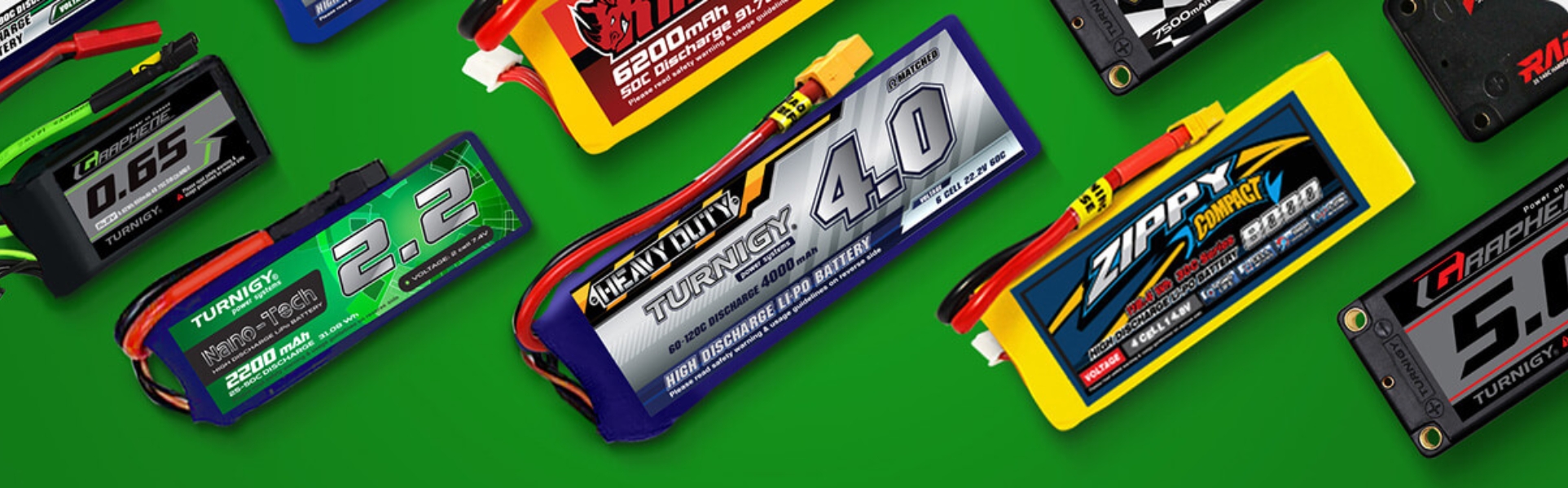
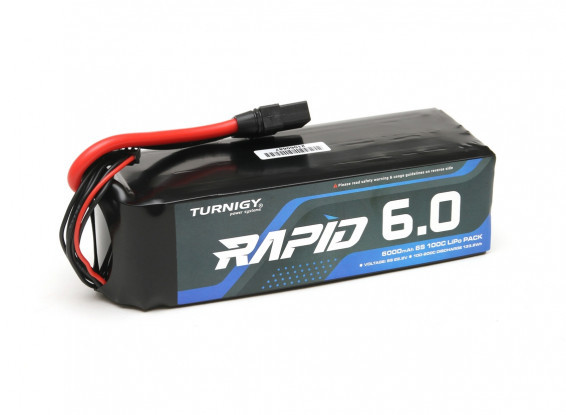
Battery quality matters because cutoff is only as good as the pack feeding the system. Product lines such as Turnigy Graphene and Nano-Tech are popular partly because users want stronger voltage stability and less ugly sag under heavier load.
2. Programmable ESCs let you tune real behavior
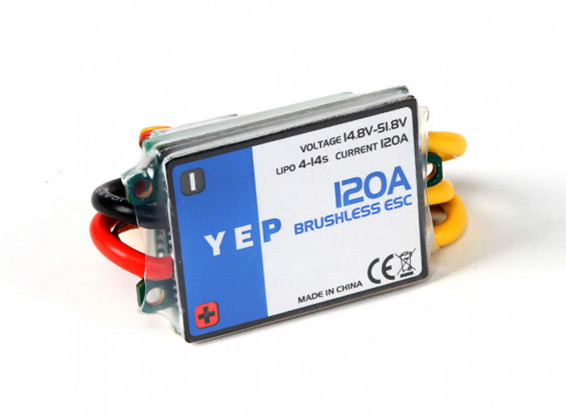
Across product families like X-Car, YEP, and SKYwalker, HobbyKing has long offered ESC options that support more flexible low-voltage behavior depending on whether you are setting up a car, a plane, or another RC platform.
3. Chargers, balancers, and monitoring accessories help you diagnose the real issue
Sometimes the real story only shows up after the run. A pack that seemed fine in use may come back with one low cell, larger imbalance, or more sag than the rest of your battery rotation. Smart charging tools and balancers help you see what happened instead of guessing.
That includes charger ecosystems and accessories such as:
- Standalone voltage monitors
- LED voltage indicator modules
- Battery buzzers and alarms
- Balancer tools and charging systems
Practical Operating Recommendations for LiPo Protection
Good protection is not one setting you choose once and forget. It is usually the combination of sensible cutoff settings and sensible habits.
1. Set a realistic cutoff threshold
For many hobby users, 3.2V to 3.4V per cell is the sensible starting range. That gives the system a healthy margin without making the setup feel unusably conservative.
2. Recheck settings after equipment changes
If you change the battery, firmware, ESC, prop, gearing, or overall load, recheck the cutoff behavior. A setup that was fine before may now be pulling more current or sagging harder.
3. Use alarms and telemetry as warnings, not as excuses to ignore battery health
Warnings are there to buy decision time. They are not a substitute for checking pack condition, connector temperature, and cell balance.
4. Avoid living at the bottom of the pack
Some users do run lower. That does not make it a good everyday habit. Repeatedly finishing too low usually buys you a little extra runtime now and a worse battery later.
5. Store packs properly
If the pack will not be used soon, bring it back to about 3.7V to 3.85V per cell in storage mode rather than leaving it full or nearly empty.
Quick Troubleshooting Table: LVC Problems in Real Use
| Symptom | Common cause | What to check next |
|---|---|---|
| LVC triggers early, but pack rebounds high | Conservative cutoff or temporary sag | Check temperature, load, and whether the setting is too high |
| Voltage dips hard on throttle | Normal sag, tired pack, or too much load | Check rebound, pack age, and current demand |
| Model feels flat much earlier than usual | Pack aging, high IR, weak cell, or wiring resistance | Check cell balance, connector heat, and charger readings |
| One cell is consistently lower | Weak or damaged cell | Balance-check the pack and stop pushing it hard |
| Cutoff behavior changed after gear changes | Wrong cell count, new load, or settings reset | Confirm ESC setup and retest under normal load |
Final Thoughts
Used properly, LiPo battery undervoltage protection and LiPo low voltage cutoff are not there to rob you of runtime. They are there to stop normal RC use from turning into unnecessary pack damage.
The best results usually come from treating ESC low voltage protection settings as one part of a bigger system: a healthy pack, a realistic cutoff threshold, useful warnings, and a quick habit of checking sag, rebound, temperature, and cell balance afterward.
That is also why HobbyKing remains a practical place to build this part of an RC power setup. Between programmable ESCs, LiPo packs, chargers, and voltage-monitoring accessories, it is easier to create a setup that protects the battery without making the model frustrating to use.
FAQ
What is a safe LiPo low voltage cutoff setting?
For many hobby setups, 3.2V to 3.4V per cell is a sensible starting range. The exact setting depends on platform, load, and battery behavior.
Is 3.0V per cell a good everyday cutoff target?
Not really. It is better treated as an absolute floor than a normal target. In real hobby use, most users are better off keeping more margin than that.
Why does my ESC hit low voltage cutoff too early?
Common reasons include voltage sag, cold weather, a tired pack, hidden resistance in connectors or wiring, a wrong cell-count setting, or simply a conservative cutoff value.
Is 3.5V per cell under load too low?
Not always. Under load, 3.5V/cell can be a normal late-pack dip. What matters more is what the pack rebounds to after you ease off.
Should I use soft cutoff or hard cutoff?
It depends on the platform. Soft cutoff is often the better starting point for RC planes because it still gives you usable control authority for landing. Hard cutoff may be acceptable in some ground setups if abrupt power reduction is less of a problem.
What matters more: the lowest dip or the rebound?
In real use, the rebound is usually more useful. A LiPo can dip hard under load and still recover to a normal late-pack number. What matters is whether it comes back cleanly or stays low.
Category
Tags
Category
Tags
Unsere Bestseller entdecken
 11%
OFF

Avios (PNF) Grand Tundra 2 STOL Sports Plane EPO 1700mm (Green/Silver)
SKU 9499670637
$327.99$369.0018%
OFF
H-King Paramotor V2 mit LED-Lichtleiste 2400mm (PNF)
SKU 9310670504
$155.99$189.9913%
OFF
H-King (PNF) Flybeam 2 Night Flyer w/LED Light System 1092mm (EPO)
SKU 9310670554
$156.99$179.9915%
OFF
H-King (PNF) KitFox Sport Plane 1100mm/1250mm (EPO)
SKU 9898670063
$169.99$199.9915%
OFF
Durafly Curtiss P-40 Warhawk V2 "Aleutian Tiger" 1100mm (PNF)
SKU 9306670734
$203.99$239.9915%
OFF
Durafly Tundra V3 "Inspire" (PNF) Sportmodell mit Landeklappen Rot/Silber EPO 1300mm (51")
SKU 9499670588
$211.99$249.0033%
OFF
HobbyKing Sports Hawk "ARF-Plus" 105mm EDF Jet mit Fahrwerken, Servos und LED-Lichtern
SKU 9306670706
$804.99$1,199.0015%
OFF
HobbyKing® ™ Walrus Glider w / Flaps EPO 1400mm (PNF)
SKU 9306000019
$83.99$98.9920%
OFF
Durafly (PNF) Rare Bear Reno Racer 680mm EPO (Gold/White)
SKU 1021670038
$135.99$169.9920%
OFF
Durafly (PNF) Rare Bear Reno Racer 680mm EPO (Green/White)
SKU 1021670037
$135.99$169.9920%
OFF
Durafly Tundra TPX (PNF) EPP Profile 3D/Aerobatic Plane 1050mm
SKU 1021670039
$143.99$179.99
Turnigy APEX 2200mAh 3S 11.1V 180C LiPo Battery with XT60 for 7 inch FPV Drone and Planes
SKU 9067110092
$19.99$25.99
Turnigy 3300mAh 3S (11.1V) 30C Shorty LiPo Battery Pack w/XT60
SKU 9067110010
$18.99$22.99