Blog
Rechercher un article
Battery
LiPo Battery Transportation and Airline Carry-On Regulations: A Comprehensive Safety and Compliance Guide | HobbyKing
Battery
LiPo Battery Transportation and Airline Carry-On Regulations: A Comprehensive Safety and Compliance Guide | HobbyKing
In today's world, where LiPo batteries are widely used in remote-controlled models, aerial photography drones, and electric vehicles, ensuring the safe and compliant transportation and handling of these high-energy-density power sources has become a critical concern for both enthusiasts and businesses alike. As a global leader in RC model battery supply, HobbyKing fully understands the unique requirements of lithium polymer batteries (LiPo) during transportation. This article will provide a comprehensive analysis of the LiPo Battery Transportation Regulations, airline carry-on restrictions, and lipo shipping regulations, and combine HobbyKing's product offerings and operational experience to offer users practical guidance.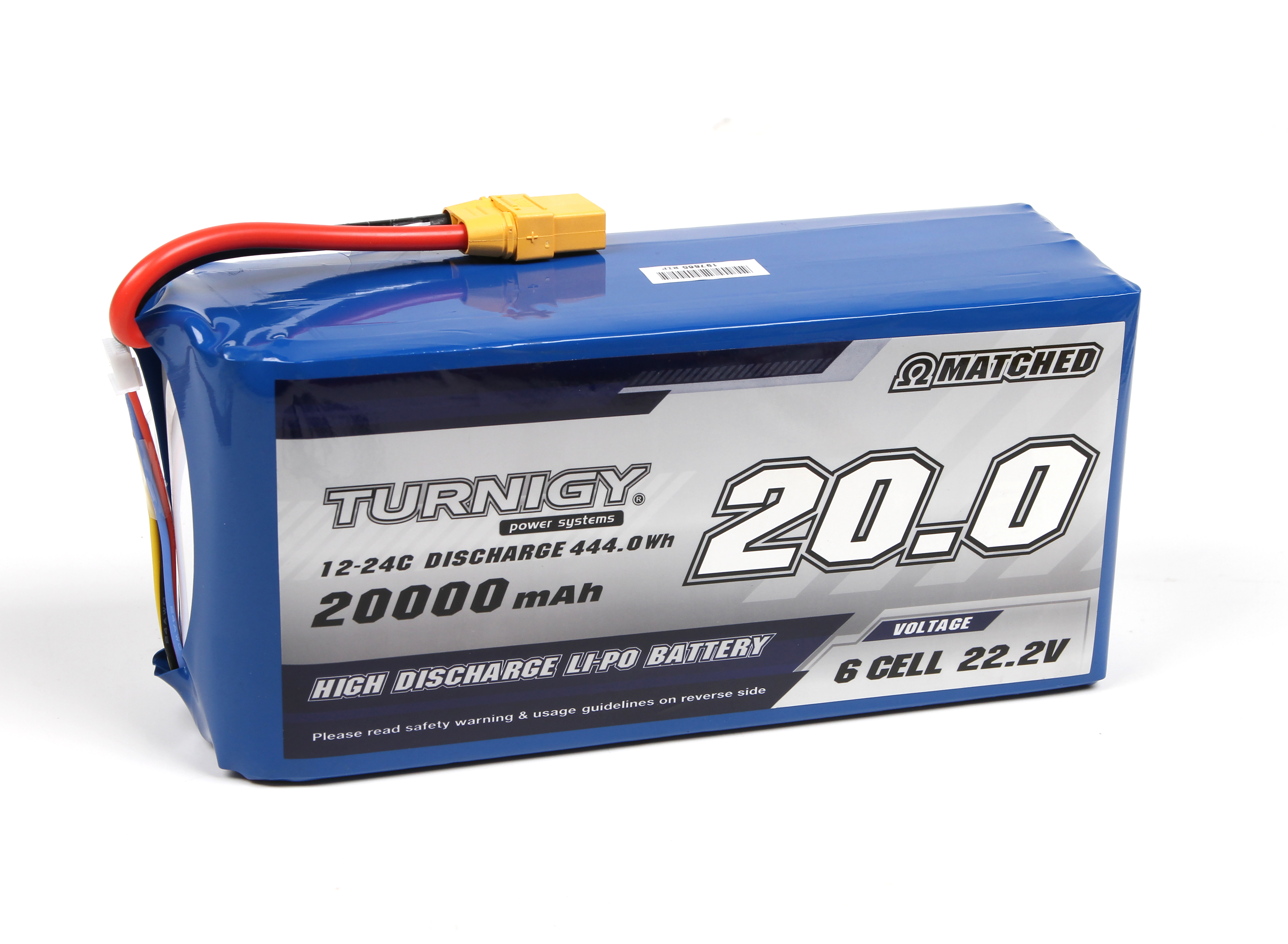
Why Do LiPo Batteries Require Specialized Transportation Regulations?
LiPo batteries, also known as lithium polymer batteries (Lithium Polymer Battery), have become the preferred power source for modern devices such as RC models, drones, and electric scooters due to their lightweight design, high energy density, and excellent discharge performance. Take the popular Turnigy Nano-Tech and Graphene Panther series from HobbyKing as examples. These high-performance batteries typically feature discharge rates of 50C or even 100C, enabling them to deliver massive currents instantly and provide powerful output. However, it is precisely these high-performance characteristics that impose stricter safety requirements on LiPo batteries during transportation.
1. Potential risks associated with high energy density
LiPo batteries consist of highly reactive lithium ions and flammable electrolytes. When subjected to severe impact, overcharging, short circuits, or high temperatures, they are prone to thermal runaway, which can lead to spontaneous combustion or even explosions. There have been reports of LiPo battery fires caused by improper packaging, which have occurred frequently in international logistics, particularly in air transport. As a result, transportation regulatory authorities worldwide have imposed stricter safety standards on LiPo batteries.
2. Unique properties distinct from traditional batteries
Unlike NiMH (nickel-metal hydride) or lead-acid batteries, LiPo batteries typically feature an aluminum-plastic film soft-pack structure rather than a hard-shell design. This means they have relatively lower compression resistance under external impact and are more prone to dangerous conditions such as punctures or swelling. For example, during transportation, if the batteries are subjected to compression, drops, or other impacts, soft-pack LiPo batteries may experience internal short circuits, potentially leading to accidents. The LiPo Battery Transportation Regulations were established to prevent such incidents and ensure the safe and controlled transportation of batteries throughout the entire supply chain.
3. Safety Priorities in Air Transport
Due to significant changes in cabin pressure and temperature, and the extreme sensitivity of LiPo batteries to environmental conditions, LiPo shipping regulations impose additional restrictions on air transport. For example, most airlines require battery charge levels to be maintained between 30% and 50% to minimize the risk of thermal runaway. Additionally, all spare batteries must be carriage-on items and are strictly prohibited from being checked in as baggage. These restrictions are not only implemented for safety reasons but also reflect the high-risk classification of LiPo batteries in air transport.
4. HobbyKing's Safe Transportation Initiative
As a globally renowned supplier of LiPo batteries, HobbyKing has always emphasized the concept of “full lifecycle safety” for batteries. From design, production, and testing to packaging, shipping, and transportation, HobbyKing strictly adheres to the LiPo Battery Transportation Regulations standards. Before leaving the factory, all batteries must pass UN38.3 testing certification and are accompanied by an MSDS (Material Safety Data Sheet), hazardous materials labels, and explosion-proof packaging to ensure that each battery is delivered to users under legal and safe conditions.
In summary, the unique nature of LiPo battery transportation cannot be overlooked. Whether individuals are carrying batteries on airplanes or businesses are shipping large quantities, understanding and adhering to relevant regulations is not only about logistics efficiency but directly impacts personnel and property safety. By thoroughly understanding LiPo shipping regulations, every user can enjoy the fun of RC models and electric devices with greater peace of mind.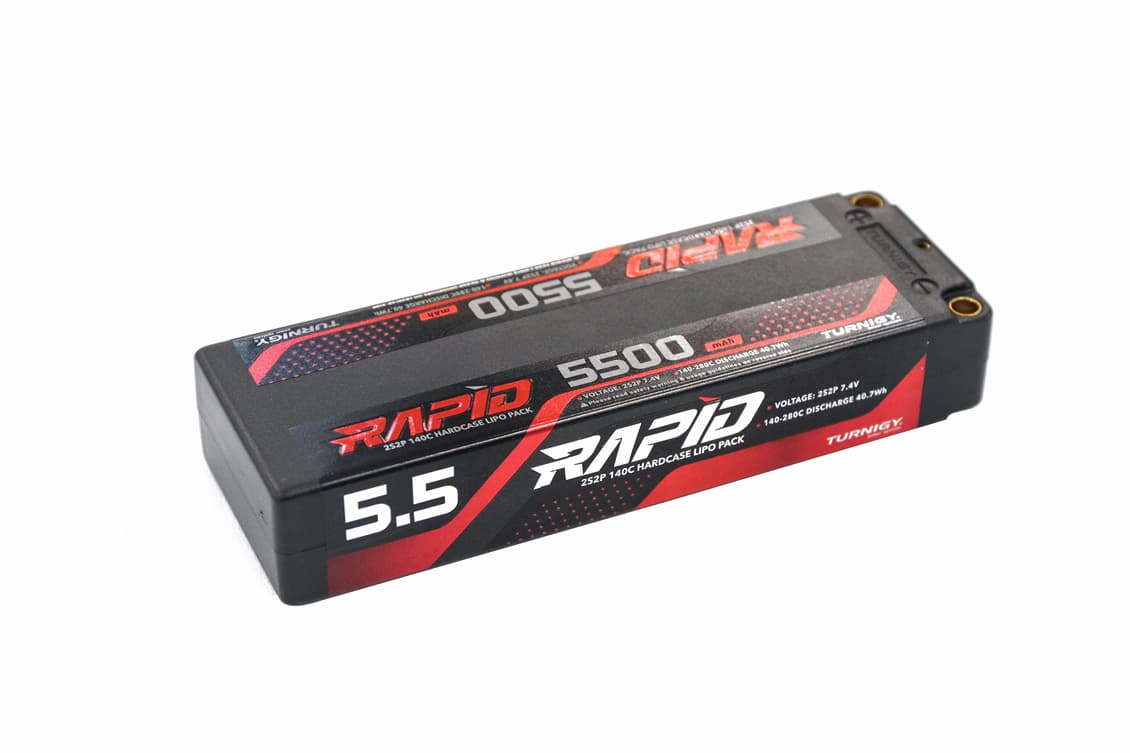
LiPo Battery Transportation Regulations: A Comprehensive Guide for Air Travel and Courier Services
1. IATA (International Air Transport Association) Regulations
According to the IATA DGR 65th Edition (Dangerous Goods Regulations):
- LiPo batteries with a capacity of less than 100Wh may be carried in hand luggage but must be protected against short circuits.
- LiPo batteries with a capacity of 100Wh to 160Wh require prior approval from the airline to be carried.
- LiPo batteries exceeding 160Wh are prohibited from being transported as carry-on or checked baggage and must be transported via cargo or special declaration procedures.
2. UN38.3 Test Requirements
All LiPo batteries intended for international transport must pass the UN 38.3 test to ensure their stability under extreme conditions such as vibration, impact, temperature cycling, and short circuits. All HobbyKing flagship models, such as the Turnigy series batteries, have passed this test.
3. Packaging Specifications
In accordance with the LiPo Battery Transportation Regulations, the following packaging requirements must be met:
- Each battery must be packaged in an individual insulated container to prevent short circuits;
- The outer packaging must be made of fire-resistant material (LiPo safety bags are recommended);
- The outer packaging must be clearly labeled with a “Lithium Battery” warning label and the UN number.
4. Special requirements for drone batteries
Additional restrictions for drone batteries:
- Battery charge must be maintained between 30% and 50% (storage voltage)
- All circuit connections must be disconnected (e.g., XT60 plugs must be covered with insulating caps)
- It is recommended to carry the original packaging or product manual for inspection
LiPo Battery Shipping Restrictions and Practical Recommendations (LiPo Shipping Regulations)
Although cross-border e-commerce and overseas warehousing are now very common, LiPo batteries are classified as sensitive logistics items for transportation.
1. Policy Differences Between International Express and Postal Channels
- DHL / FedEx / UPS: LiPo batteries are permitted for transport, but an MSDS, UN38.3 certification, and commercial invoice must be provided.
- EMS / China Post: Shipping of individual batteries is restricted in many regions; only batteries shipped in combination with devices are permitted.
- HobbyKing Recommendation: Use a professional logistics provider with experience in battery transportation and prepare all required documentation in advance to avoid customs clearance delays.
2. Land/Sea Transport Standards and Special Requirements for Air Transport
2.1 Land/Sea Transport Standards
All HobbyKing global warehouses comply with UN 38.3 certification requirements:
- Single packages must not exceed 2 kg of lithium content (approximately 10 standard 3S 5000mAh batteries)
- Outer packaging must be labeled with a Class 9 hazardous materials label
- MSDS (Material Safety Data Sheet) must be included
2.2 Special Requirements for Air Transport
- Only packages compliant with Section II are accepted
- The number of batteries per shipment must not exceed 8 cells/4 packs
- UN-certified packaging materials must be used (e.g., HobbyKing-specific explosion-proof boxes)
Can you bring drone batteries on a plane?
1. General airline regulations
Most airlines allow LiPo batteries with a capacity of ≤100Wh on board, such as:
- DJI Mavic Air 2 (40Wh)
- FPV Racing battery (70Wh)
- HobbyKing 2200mAh 3S 30C (24.42Wh)
- Batteries must be carried on board and must not be checked in;
- Electrodes must be sealed with insulating tape or placed in a LiPo safety bag;
- Battery charge should be maintained between 30% and 50%;
- Each passenger is advised to carry no more than 5 spare battery packs; for larger quantities, prior coordination with the airline is required.
2. Carry-on Guidelines and Precautions
3. Regional Differences to Note
For example, the U.S. FAA has more lenient regulations, while China's Civil Aviation Administration imposes specific limits on the number of “bare batteries,” and some Japanese airlines do not accept more than 2 batteries for entry. Prior to travel, please verify local LiPo shipping regulations and airline carry-on policies.
HobbyKing Product Shipping and Compliance Advantages
As a globally renowned RC battery brand, HobbyKing not only offers a wide range of LiPo battery options but also provides customers with comprehensive support for compliant shipping.
1. Pre-completion of UN38.3 and MSDS certification
As an industry leader, HobbyKing's Turnigy, Nano-Tech, Graphene Panther, and other series all come with complete transportation qualification documents.
2. Provision of LiPo-specific transportation packaging
Some HobbyKing batteries come standard with flame-retardant safety bags and dedicated foam protection boxes to reduce risks during transportation. You can select HobbyKing
professional discharge processing when placing your order.
3. Support for bulk export logistics services
Partner logistics providers support Class 9 hazardous materials certification for freight, assist with customs pre-declaration, and enhance customs clearance efficiency. Notably, we support global compliance distribution: warehouses in the United States, the European Union, and Asia are all certified for local transportation.
4. Global after-sales network support for transportation returns and exchanges
If delivery cannot be accepted due to regionallipo shipping regulations, HobbyKing offers flexible warehouse transfers or return mechanisms to protect user rights.
HobbyKing case study: In 2024, HobbyKing optimized its packaging solution to reduce lithium battery transportation costs for German customers by 37%.
Practical Tips and Common Mistakes to Avoid When Shipping LiPo Batteries
Practical Tips:
- Declare the shipping equipment and batteries separately to avoid the entire shipment being returned;
- Adjust the voltage to the LiPo storage voltage (discharge to 3.7-3.85V per cell) before long-distance transportation;
- Cover all electrodes with HobbyKing insulating tape;
- Place each battery in an anti-static bag separately;
- Use HobbyKing battery shipping label stickers (including UN3480 code) to clearly mark all information;
- Download the latest shipping regulations update guide from the HobbyKing official website;
- Shipping batteries in plain cardboard boxes without proper packaging;
- Carrying batteries exceeding 160Wh without declaration;
- Attempting to ship damaged batteries;
- Placing batteries in checked luggage (violates aviation transport laws in many countries);
- Ignoring regional regulatory differences.
Common Misconceptions:
Frequently Asked Questions
Q: Can old LiPo batteries be shipped?
A: Old batteries must undergo professional discharge processing (recommended using the HobbyKing B6 Pro charger in Storage mode). The terminals must be sealed with silicone sleeves (optional accessory: HK-ISOLATOR), and the outer packaging must be labeled with the warning “Used LiPo - Handle with Care.”
Q: How should products be transported under extreme temperatures?
A: For special requirements in high-temperature/high-altitude regions, our engineering team has developed a three-tier protection system:
- Primary Protection: Phase-change material insulation layer (temperature control range: -20°C to 60°C); humidity indicator card (optional #HK-HUMIDITY);
- Secondary Protection: Vacuum-sealed aluminum foil bag (blocks moisture and oxygen); shock-resistant gel-filled mounting brackets (suitable for sea transport);
- Ultimate Protection: Satellite-tracked temperature-controlled box (real-time transmission of location & temperature data); equipped with an automatic fire suppression system ;
Test Data: In a summer test in Dubai (55°C), the voltage fluctuation of the battery pack with the three-tier protection system was only ±0.03V.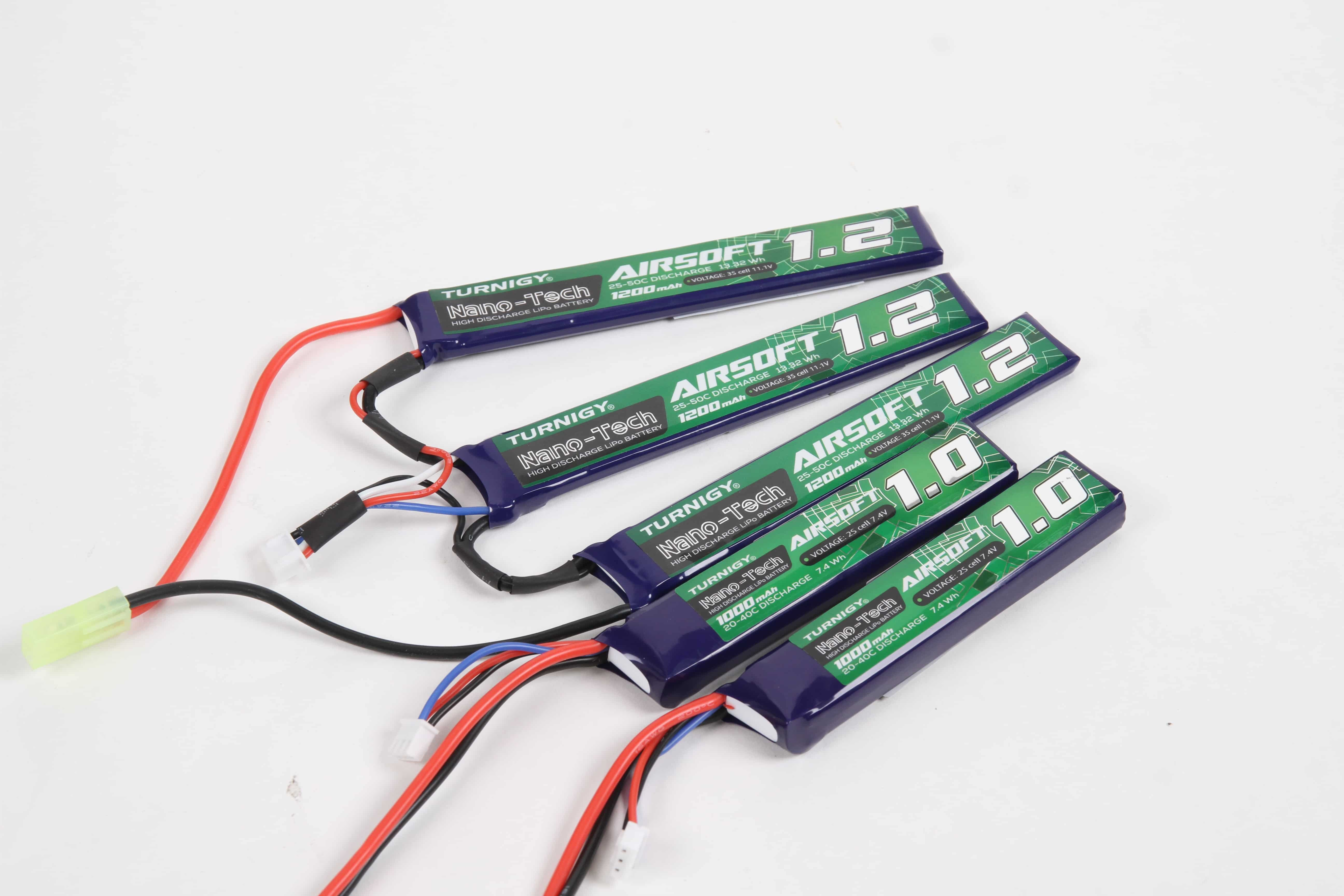
Compliance Recommendations
The transportation of LiPo batteries is no longer merely a logistics issue but a complex interplay of regulations, safety, and technology. In this interconnected global era, every RC enthusiast, drone pilot, and battery seller must understand and adhere to the LiPo Battery Transportation Regulations and LiPo shipping regulations.
Choosing HobbyKing means choosing more reliable products and a safer journey. HobbyKing has achieved a 10-year record of zero transportation accidents, with 37 compliant warehouses worldwide for intelligent inventory management. Every battery undergoes X-ray inspection before shipment, and we provide free transportation compliance consulting (including non-HobbyKing products). We not only offer high-performance LiPo batteries but also provide users with a comprehensive transportation solution from factory to airport, from warehouse to the front lines. Visit HobbyKing's “Safe Shipping Center” to get your customized solution, or download the latest version of the “Global Lithium Battery Shipping White Paper” (available in Chinese, English, and Arabic).
Category
Tags
Category
Tags
Achetez nos meilleures ventes
 11%
OFF

Avios (PNF) Grand Tundra 2 STOL Sports Plane EPO 1700mm (Green/Silver)
SKU 9499670637
$327.99$369.0018%
OFF
H-King Paramotor V2 avec barre lumineuse 2400mm (PNF)
SKU 9310670504
$155.99$189.9913%
OFF
H-King (PNF) Flybeam 2 Night Flyer w/LED Light System 1092mm (EPO)
SKU 9310670554
$156.99$179.9915%
OFF
H-King (PNF) KitFox Sport Plane 1100mm/1250mm (EPO)
SKU 9898670063
$169.99$199.9915%
OFF
Durafly Curtiss P-40 Warhawk V2 "Aleutian Tiger" 1100mm (PNF)
SKU 9306670734
$203.99$239.9915%
OFF
Durafly Tundra V3 "Inspire" (PNF) Modèle Sport avec Volets Rouge/Argent EPO 1300mm (51")
SKU 9499670588
$211.99$249.0033%
OFF
HobbyKing Sports Hawk "ARF-Plus" Jet EDF 105mm avec trains rentrants, servos et lumières LED
SKU 9306670706
$804.99$1,199.0015%
OFF
HobbyKing® ™ Walrus Planeur w / Flaps EPO 1400mm (PNF)
SKU 9306000019
$83.99$98.9920%
OFF
Durafly (PNF) Rare Bear Reno Racer 680mm EPO (Gold/White)
SKU 1021670038
$135.99$169.9920%
OFF
Durafly (PNF) Rare Bear Reno Racer 680mm EPO (Green/White)
SKU 1021670037
$135.99$169.9920%
OFF
Durafly Tundra TPX (PNF) EPP Profile 3D/Aerobatic Plane 1050mm
SKU 1021670039
$143.99$179.99
Turnigy APEX 2200mAh 3S 11.1V 180C LiPo Battery with XT60 for 7 inch FPV Drone and Planes
SKU 9067110092
$19.99$25.99
Turnigy 3300mAh 3S (11.1V) 30C Shorty LiPo Battery Pack w/XT60
SKU 9067110010
$18.99$22.99